

When to See an Orthopedic Specialist
Persistent musculoskeletal discomfort can significantly diminish your quality of life, turning simple daily routines into monumental challenges. The human musculoskeletal system is a complex network of bones, joints, ligaments, tendons, and muscles that requires precise alignment and health to function correctly. Many individuals attempt to push through minor aches, attributing the discomfort to natural aging or temporary physical overexertion. However, ignoring chronic joint pain, restricted mobility, or progressive weakness can lead to long-term structural damage that becomes far more difficult to treat later. Understanding when to transition from conservative home care to specialized medical evaluation is essential for protecting your physical longevity and restoring your active lifestyle.
Navigating the path to recovery often begins with identifying the appropriate medical professional who possesses the precise training required to diagnose and treat complex bone and joint conditions. Visiting a dedicated local orthopedic clinic allows patients to access comprehensive diagnostic testing, personalized physical therapy regimens, and cutting-edge medical interventions. These specialized facilities are equipped to handle everything from sudden athletic trauma to degenerative joint diseases that develop over several decades. By recognizing the specific warning signs that indicate a need for advanced intervention, you can take a proactive approach to your personal health. Partnering with a specialized practitioner ensures that you receive an accurate diagnosis and a targeted recovery strategy that addresses the root cause of your physical limitations.
Experiencing Chronic Joint Pain
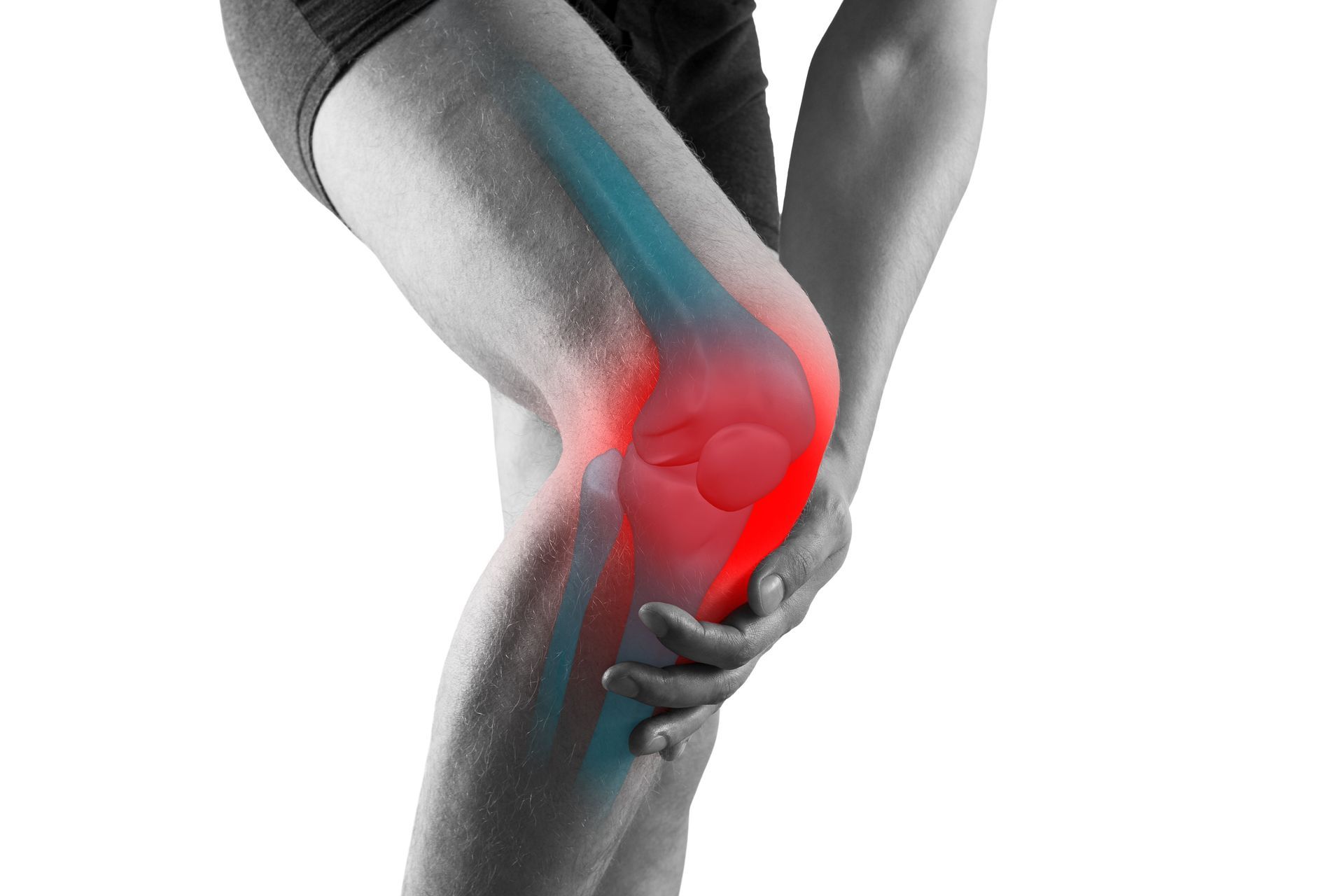
Persistent discomfort in major joints like the knees, hips, shoulders, or elbows is one of the most frequent reasons individuals seek specialized medical attention. While occasional soreness after an intense workout or a long day of yard work is normal, pain that lasts for several weeks requires a thorough evaluation. Chronic joint inflammation can indicate the early stages of osteoarthritis, rheumatoid arthritis, or repetitive strain injuries that alter the structural integrity of the joint capsule. Leaving this discomfort unaddressed allows the protective cartilage to degrade further, which can eventually lead to painful bone-on-bone friction.
When you visit a local orthopedic clinic to address chronic joint issues, specialists conduct detailed physical examinations and utilize advanced imaging to locate the exact source of your distress. They look for subtle signs of fluid accumulation, joint misalignment, and structural wear that general practitioners might overlook during a routine checkup. Addressing these issues early allows for conservative treatments like targeted physical therapy, custom orthotics, or localized anti-inflammatory injections. Taking action before the joint sustains irreversible degradation maximizes your chances of maintaining a pain-free lifestyle without requiring invasive surgical procedures.
Noticing Restricted Joint Mobility
A gradual or sudden reduction in your normal range of motion is a clear indicator that something is amiss within your musculoskeletal framework. If you find it increasingly difficult to reach overhead, bend down to tie your shoes, or fully extend your knee, your joints may be experiencing structural blockages. Restricted mobility can stem from a variety of underlying issues, including severe scar tissue accumulation, tendon shortening, or advanced joint degeneration. Over time, your body will naturally attempt to compensate for this stiffness by altering your gait or posture, which frequently introduces secondary pain in other areas of the body.
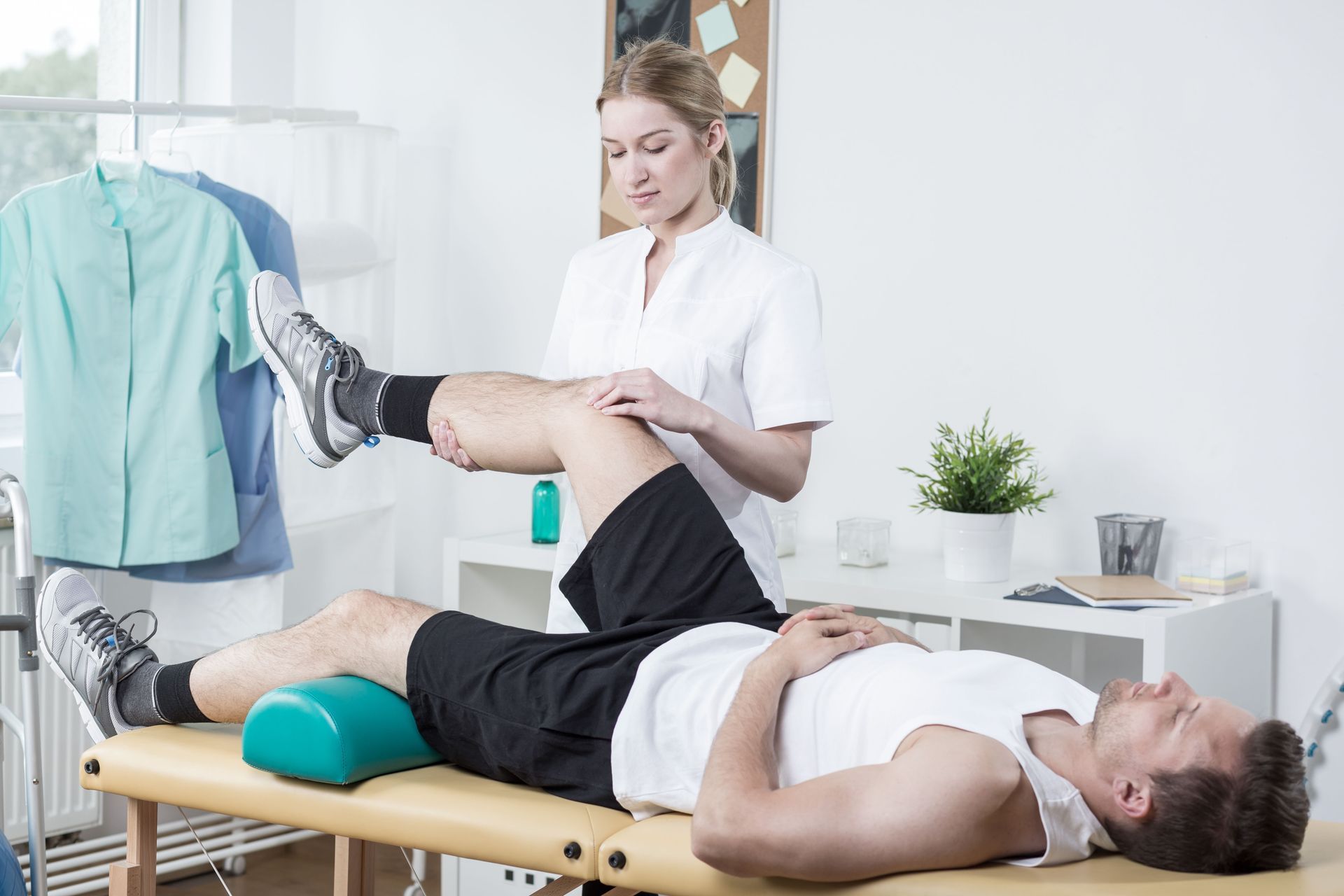
Seeking assistance from a qualified specialist at your local orthopedic clinic can help identify the precise mechanical limitations that are restricting your natural movement. Practitioners use specialized tools to measure your exact degrees of flexion and extension, comparing the results against healthy anatomical baselines. They can pinpoint whether the restriction is caused by a soft tissue contracture, a torn ligament, or an arthritic bone spur blocking the joint path. Resolving these mobility restrictions through guided physical manipulation or minimally invasive arthroscopic procedures can restore your independence and prevent the onset of permanent joint stiffness.
Suffering From Numbness and Tingling
Nerve compression within the musculoskeletal system frequently manifests as a persistent sensation of pins and needles, numbness, or localized weakness in the extremities. These neurological symptoms often indicate that a swollen tendon, misaligned bone, or herniated disc is pressing directly against a major nerve pathway. For instance, repetitive wrist motions can lead to significant swelling within the narrow carpal tunnel, compressing the median nerve and disrupting hand functionality. According to MAYO Clinic, carpal tunnel syndrome affects approximately 1% to 5% of adults in the United States. This common condition highlights the critical importance of monitoring nerve-related symptoms before they cause permanent muscular atrophy.
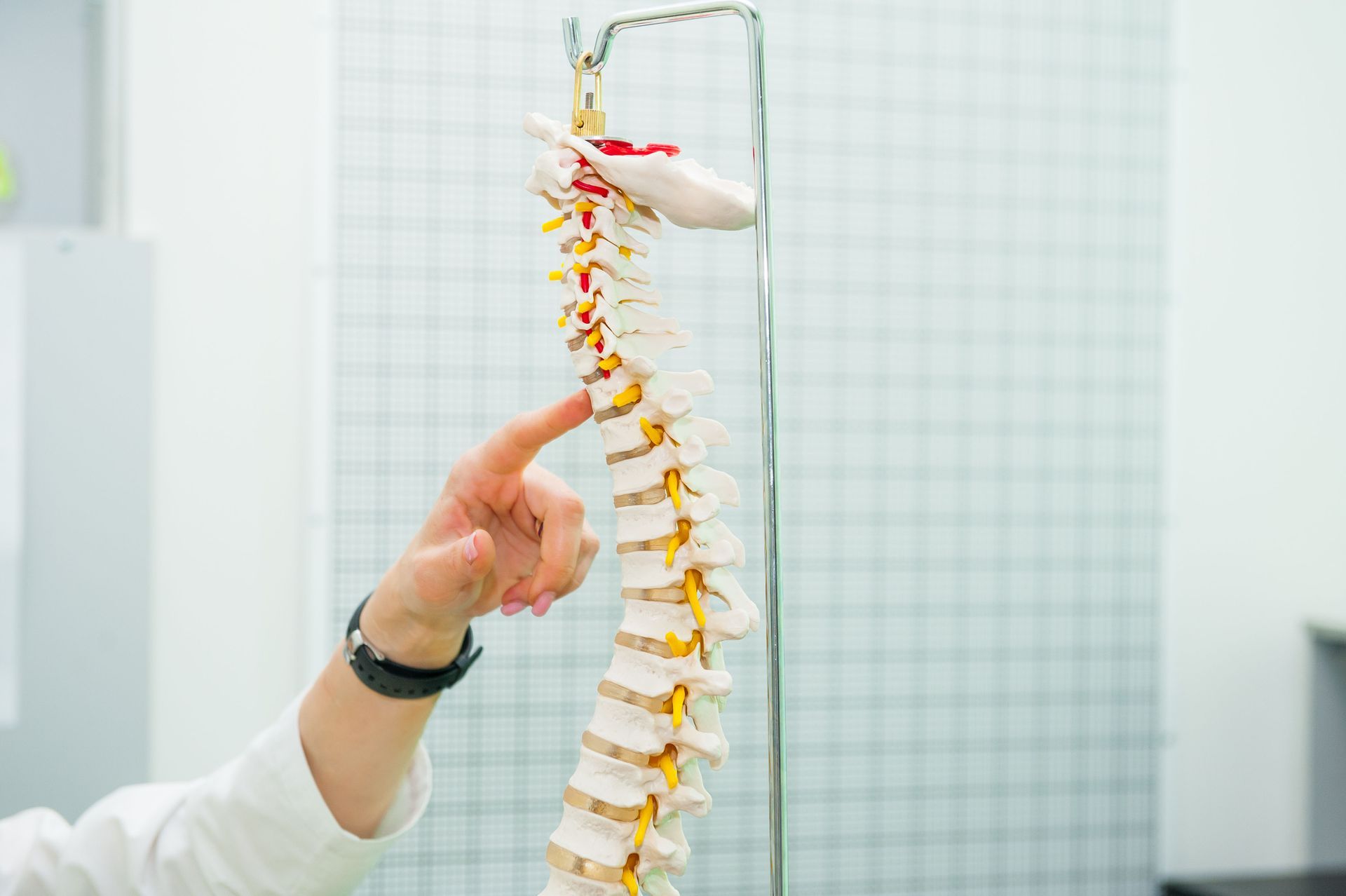
Ignoring nerve compression can lead to progressive loss of coordination, decreased grip strength, and long-term nerve damage that cannot be easily reversed. Professionals at a local orthopedic clinic are highly skilled at performing diagnostic nerve conduction studies to determine the exact location and severity of the entrapment. They can differentiate between a localized wrist issue and a pinched nerve originating in the cervical spine, ensuring your treatment targets the true source of the problem. Early intervention options often include custom splinting, ergonomic modifications, and specific exercises designed to glide the nerve safely through the surrounding tissue.
Struggling With Lingering Injuries
Sudden physical trauma from an athletic event, an accidental fall, or a workplace incident can cause immediate structural damage that requires specialized medical oversight. While initial swelling and bruising are natural components of the healing process, injuries that fail to improve after several days of rest require professional scrutiny. Lingering pain, deep bruising, and an inability to bear weight on a limb can indicate hidden hairline fractures or severe ligament sprains. Assuming a major injury is simply a minor tweak can result in the tissue healing in an incorrect alignment, which compromises long-term joint stability.
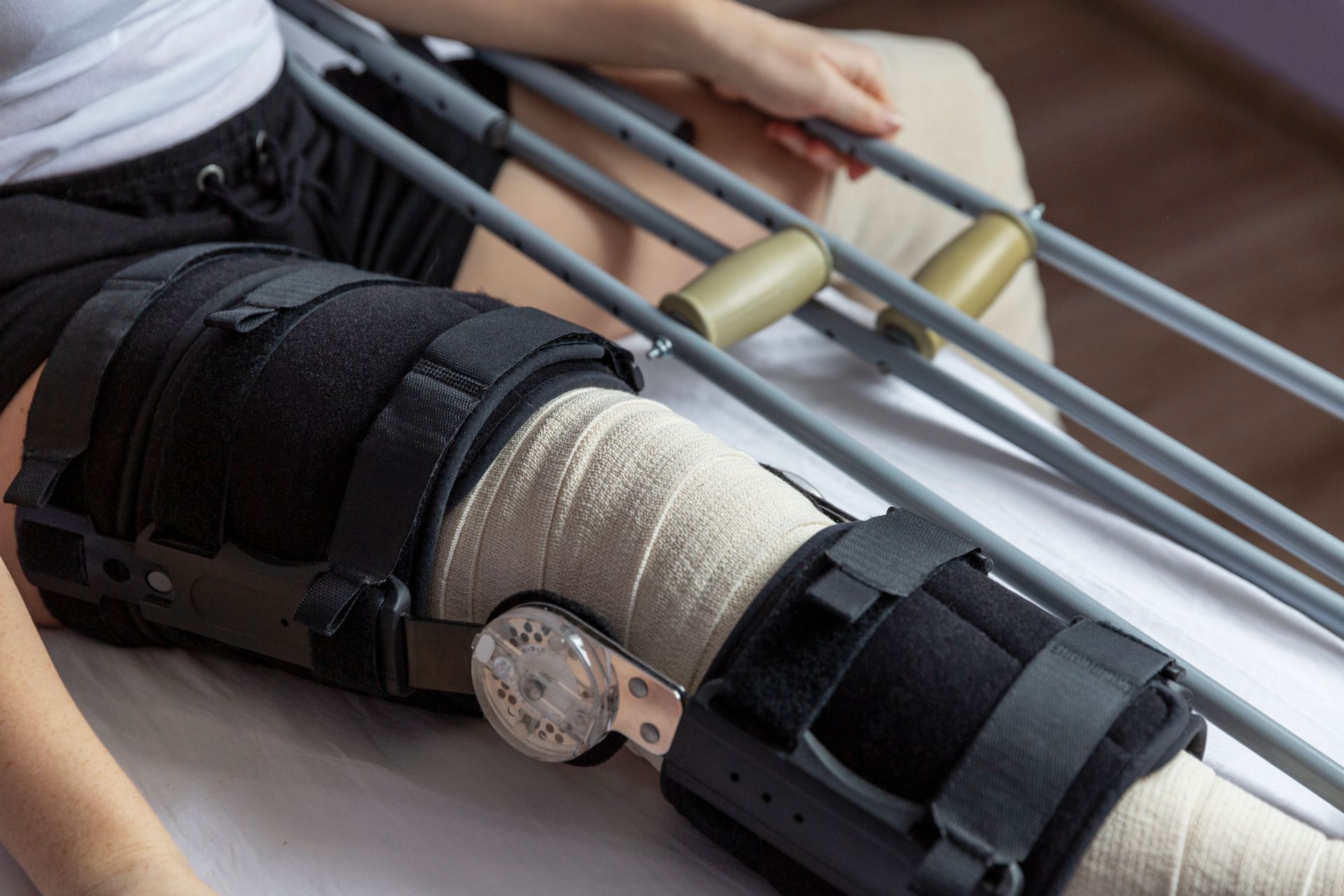
Visiting a local orthopedic clinic following a significant physical injury ensures that you receive immediate access to high-resolution digital radiography and magnetic resonance imaging. These diagnostic tools allow specialists to visualize partial tendon tears, microfractures, and cartilage defects that require specific stabilization techniques to heal properly. The treatment team can apply specialized casting, advanced bracing, or regenerative medicine therapies to accelerate the natural recovery timeline of your body. Receiving appropriate care during the acute phase of an injury minimizes the risk of developing chronic joint instability or premature post-traumatic arthritis.
Feeling Structural Joint Instability
A sensation that a joint is giving out, buckling, or shifting out of its proper position during normal activity is a serious warning sign that should never be ignored. This distressing symptom typically points to a significant compromise in the ligaments, which serve as the primary stabilizing bands connecting your bones together. For example, a stretched or torn anterior cruciate ligament in the knee can cause the joint to feel completely unreliable when changing directions or walking on uneven surfaces. This instability not only increases your risk of sustaining an accidental fall but also causes abnormal friction that rapidly destroys the surrounding meniscus.
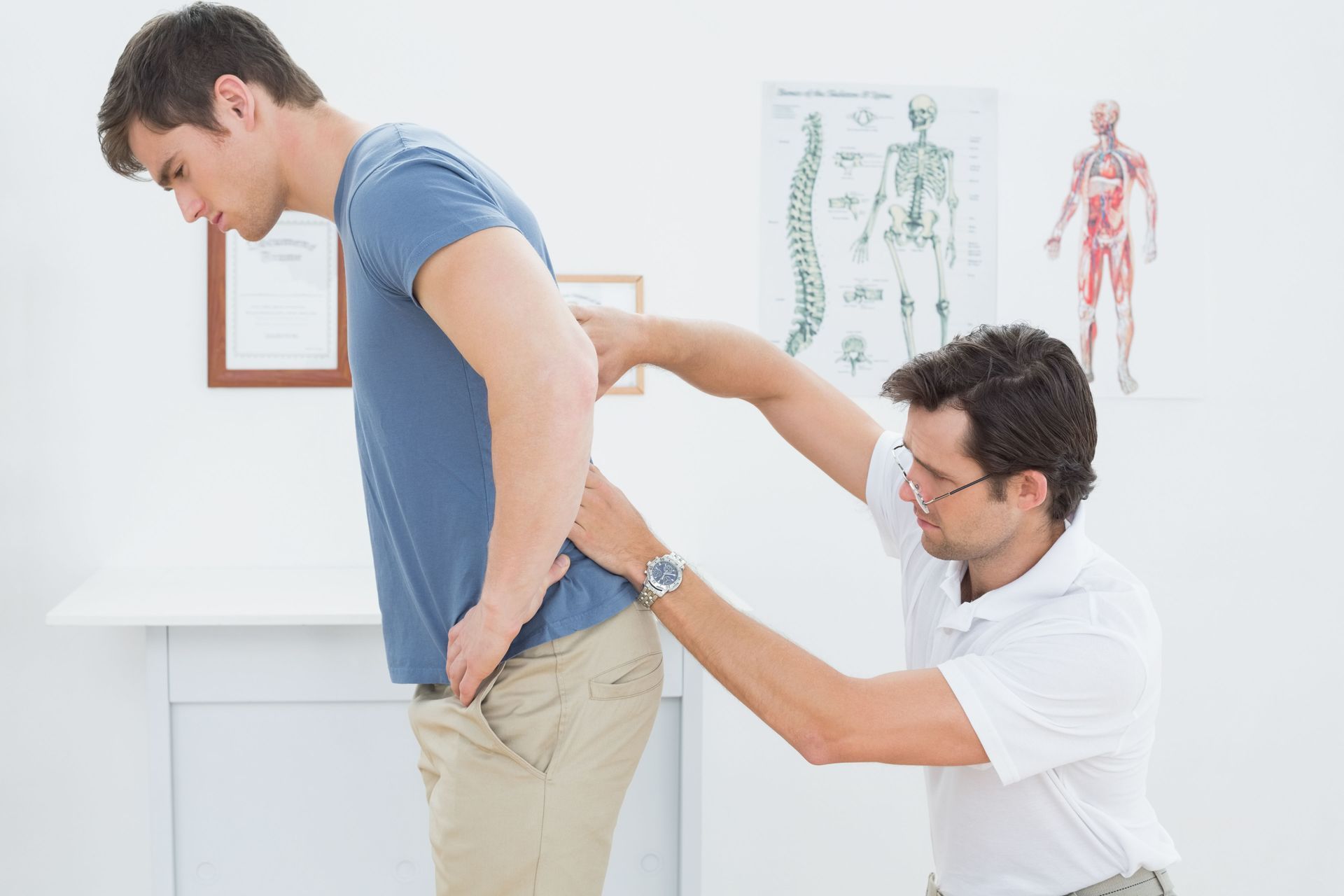
Consulting with an expert at your local orthopedic clinic allows for a comprehensive assessment of your passive joint stabilizers through specific manual manipulation tests. Specialists can determine the exact grade of ligament laxity and recommend whether conservative bracing or surgical reconstruction is required to restore structural integrity. They can also design specialized neuromuscular rehabilitation programs that strengthen the surrounding muscles to help compensate for the weakened ligaments. Restoring complete stability to the joint is essential for regaining your confidence during physical activities and protecting the articulation from progressive internal wear.
Recognizing the key indicators that signal a need for specialized bone and joint care is the first step toward reclaiming your physical freedom and protecting your long-term health. Whether you are dealing with chronic joint inflammation, restricted movement, nerve compression, or the lingering effects of an athletic injury, seeking timely professional intervention is paramount. Delaying specialized care only allows minor structural issues to develop into complex chronic conditions that can permanently alter your lifestyle. Partnering with dedicated medical experts ensures that you receive a precise diagnosis and a customized treatment plan tailored to your unique anatomical needs. Do not let persistent pain or limited mobility dictate your daily life or prevent you from enjoying the activities you love. Contact South Bay Orthopedic today to schedule a comprehensive evaluation and take the first step toward a stronger, healthier, and more active future.




Share On: