

5 Tips From Local Orthopedic Surgeons on Recovery and Rehabilitation
Recovering from orthopedic surgery is a multifaceted process that requires attention to both physical and mental well-being. From early mobilization to personalized physical therapy, proper nutrition, pain management, and psychological support, every element contributes to a smoother, faster recovery. Understanding these key components helps patients and caregivers create a structured, comprehensive rehabilitation plan that minimizes complications, enhances healing, and restores independence. By addressing mobility, strength, nutrition, pain, and emotional health, patients can maximize outcomes and regain confidence in their daily activities from orthopedic surgeons.
1. Importance of Early Mobilization
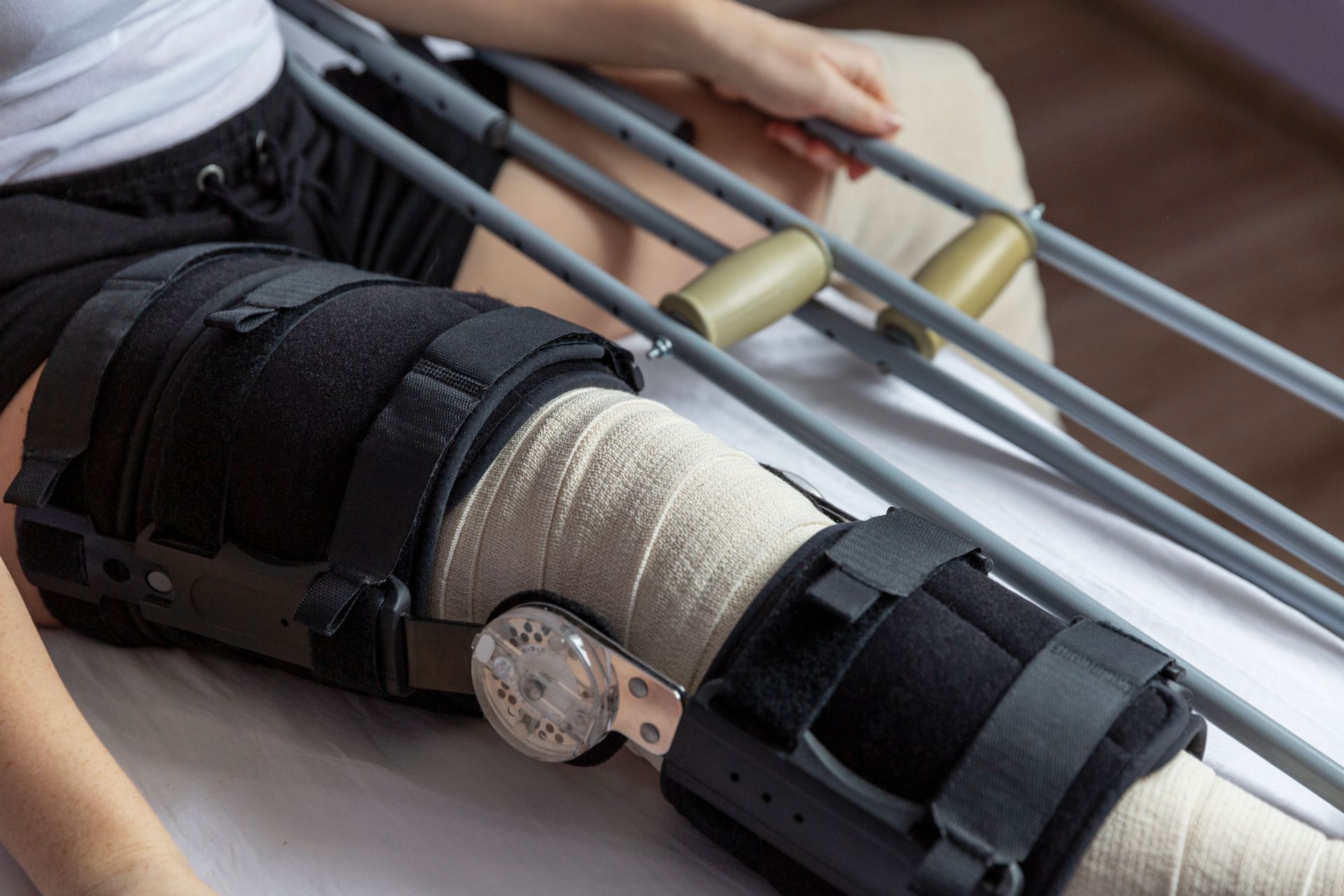
Early mobilization plays a crucial role in reducing hospital stays after orthopedic surgeries. A prompt return to movement is often advocated by surgeons to prevent complications such as blood clots and muscle atrophy. Enhancing blood circulation through early activity accelerates the healing process, providing more oxygen to the recovering tissues. Moreover, the psychological advantages of early mobilization cannot be overlooked, as being mobile boosts patients' confidence and mental well-being. Long-term mobility is often improved by avoiding a sedentary post-surgery period.
Increased movement helps in mitigating the risk of complications like deep vein thrombosis, which is a common postoperative concern. According to the American Academy of Orthopaedic Surgeons (AAOS), there's been a 44% increase in shoulder and elbow procedures, indicating a growing attention to managing postoperative recovery properly. The proactive approach of mobilization encourages quicker transitions from hospital to home, benefiting both the healthcare systems and patients. Reduced hospital stays translate into improved resource allocation, making it a win-win situation for everyone involved. Going beyond physical benefits, patients often report feeling less anxious and more empowered when encouraged to mobilize early.
Orthopedict in the cycle of bed rest, the body becomes susceptible to frailty and decreased muscle mass. Orthopedic surgeons state that early mobilization stands as a cornerstone in maintaining physical stability and strength, essential for a healthy life. Through structured early activity, patients pave a path toward sustained health and longevity. Beyond preventing physical complications, early mobilization also supports better appetite and sleep patterns. Consequently, this holistic improvement in patient health fosters a smoother and more successful rehabilitation process.
2. Personalized Physical Therapy Programs
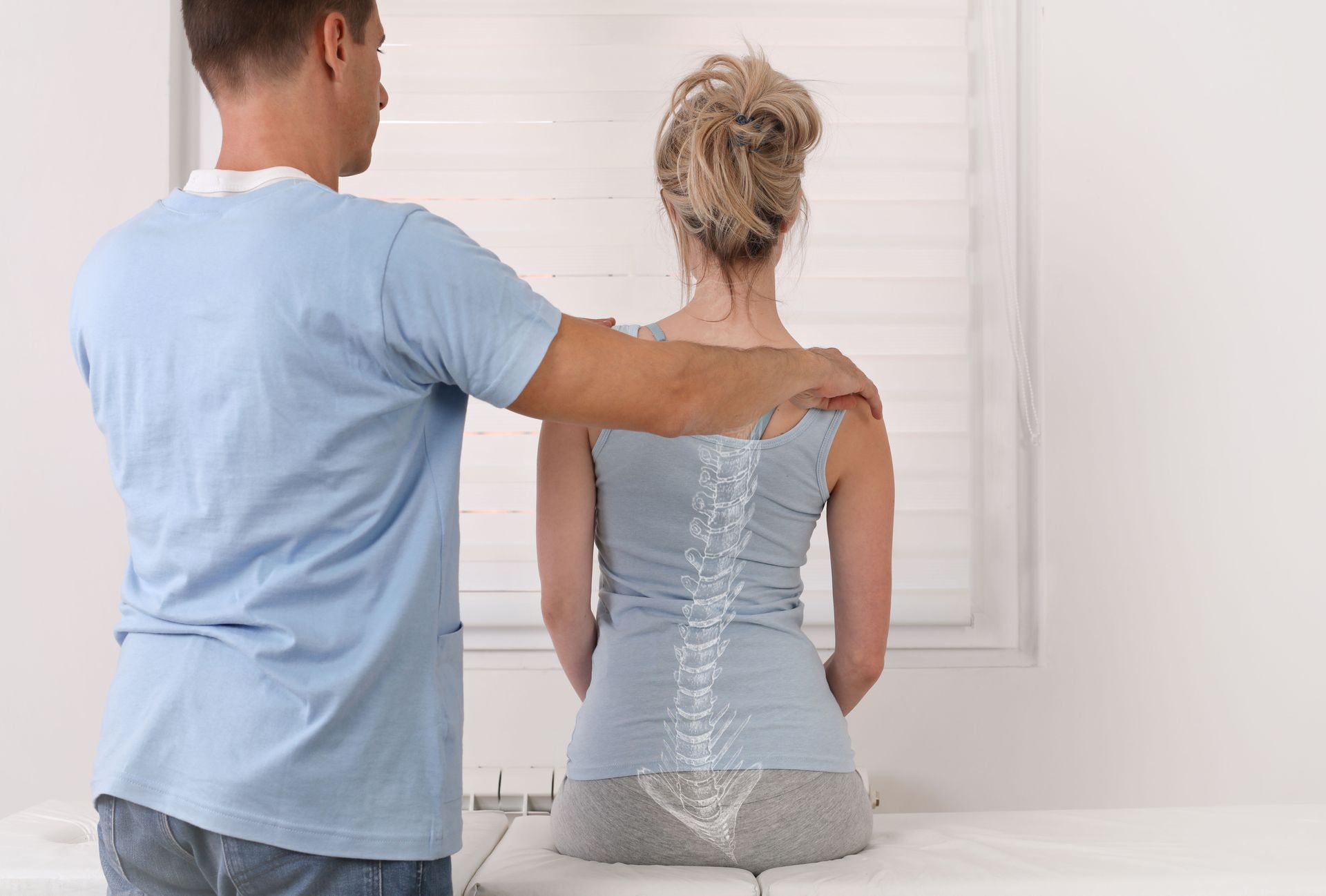
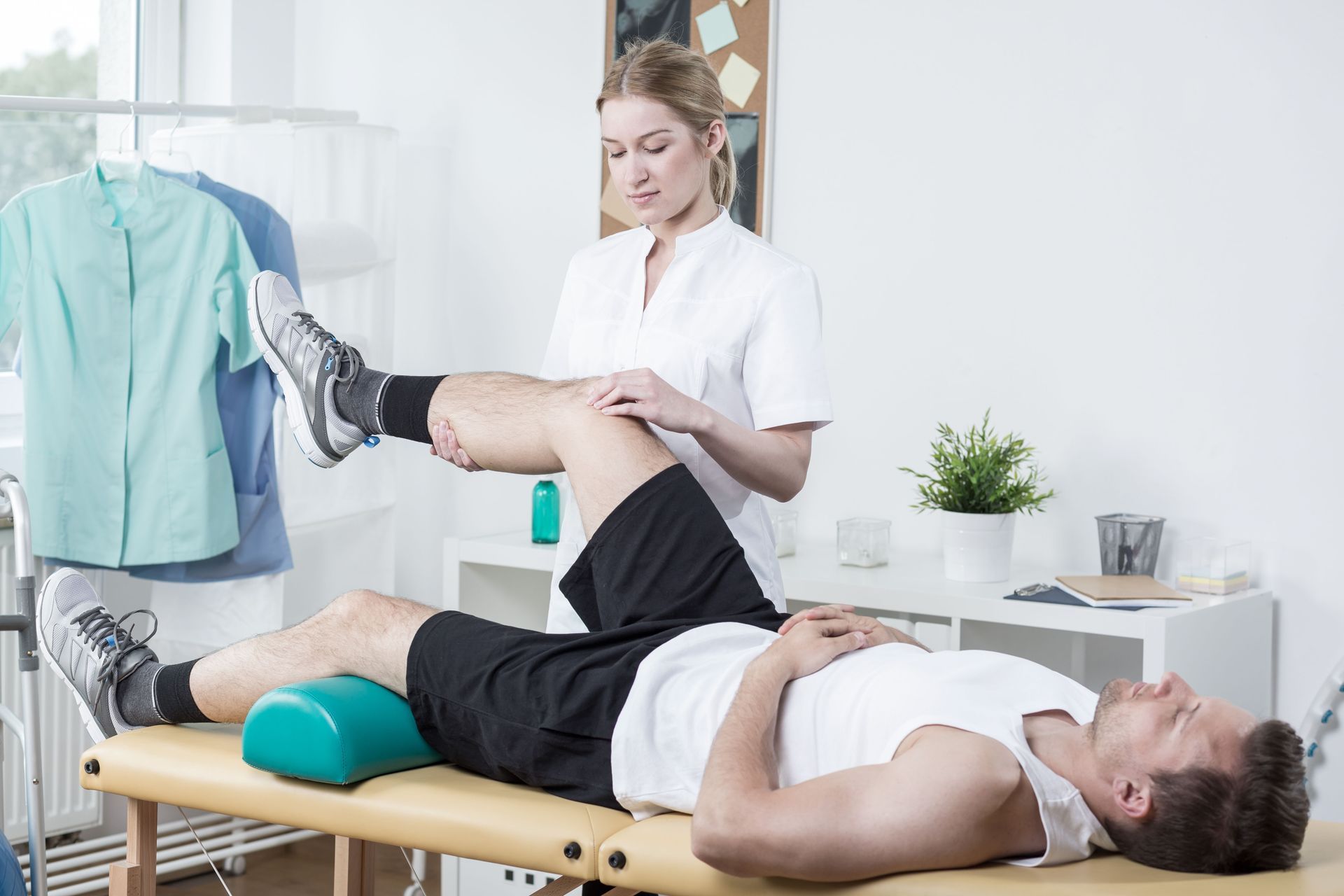
Personalized physical therapy programs provide the much-needed tailored approach for successful rehabilitation. Orthopedic surgeons assess patients individually to devise an exercise regimen that caters specifically to their needs and conditions. Every surgery is unique, and so should be its recovery plan, making this personalized approach indispensable. By focusing on individual capabilities and limitations, tailored programs ensure a safer and more effective recovery journey. Regular assessments and feedback are crucial for adapting these programs effectively over time.
Tailoring exercises to individual needs ensures that patients neither overexert nor underutilize their bodies during recovery. Qualified therapists are trained to design programs that offer the perfect balance between challenge and recovery. Often, incorporating various types of exercises helps in holistic healing, addressing muscle strength, flexibility, and endurance concurrently. This balanced approach to physical therapy encourages a more harmonious recovery, promoting optimal function in the surgical area. Over time, patients often progress to more complex exercises, reflecting increased strength and resilience.
Moreover, consistent monitoring of patient progress from orthopedic surgeons is imperative to recovery, allowing therapists to adjust exercises as necessary. Having a structured progression in rehabilitation exercises prevents stagnation and fosters continuous improvement. Pain management is often interwoven with physical therapy, as these sessions can also introduce techniques for alleviating discomfort. The process of refining and reassessing therapy regimens contributes to sustainable long-term healing. Commitment to consistent follow-ups ensures that patients overcome challenges promptly and maintain their recovery trajectory.
3. Nutritional Guidance for Healing
Nutrition plays an instrumental role in the healing process post-surgery. Adequate protein intake is vital as it serves as the building block for tissue repair and muscle strengthening. Protein-rich foods should be integrated into meals to expedite the body’s natural healing capabilities. Concurrently, vitamins and minerals such as calcium, vitamin D, and zinc contribute significantly to bone health and immune functions. Striking the right balance in nutrition impacts energy levels and supports overall recovery.
Orthopedic surgeons might also recommend supplements, but individuals should cautiously weigh their pros and cons. While supplements can help fill nutritional gaps, relying heavily on them without professional advice can lead to adverse effects. It's important to consult with a dietitian or healthcare provider to identify necessary supplements. Alongside balanced meals, supplements should only act as enhancers to an already nutritious diet. Through informed nutritional guidance, patients can fortify their bodies to withstand and recover from surgical interventions more efficiently.
4. Pain Management Strategies
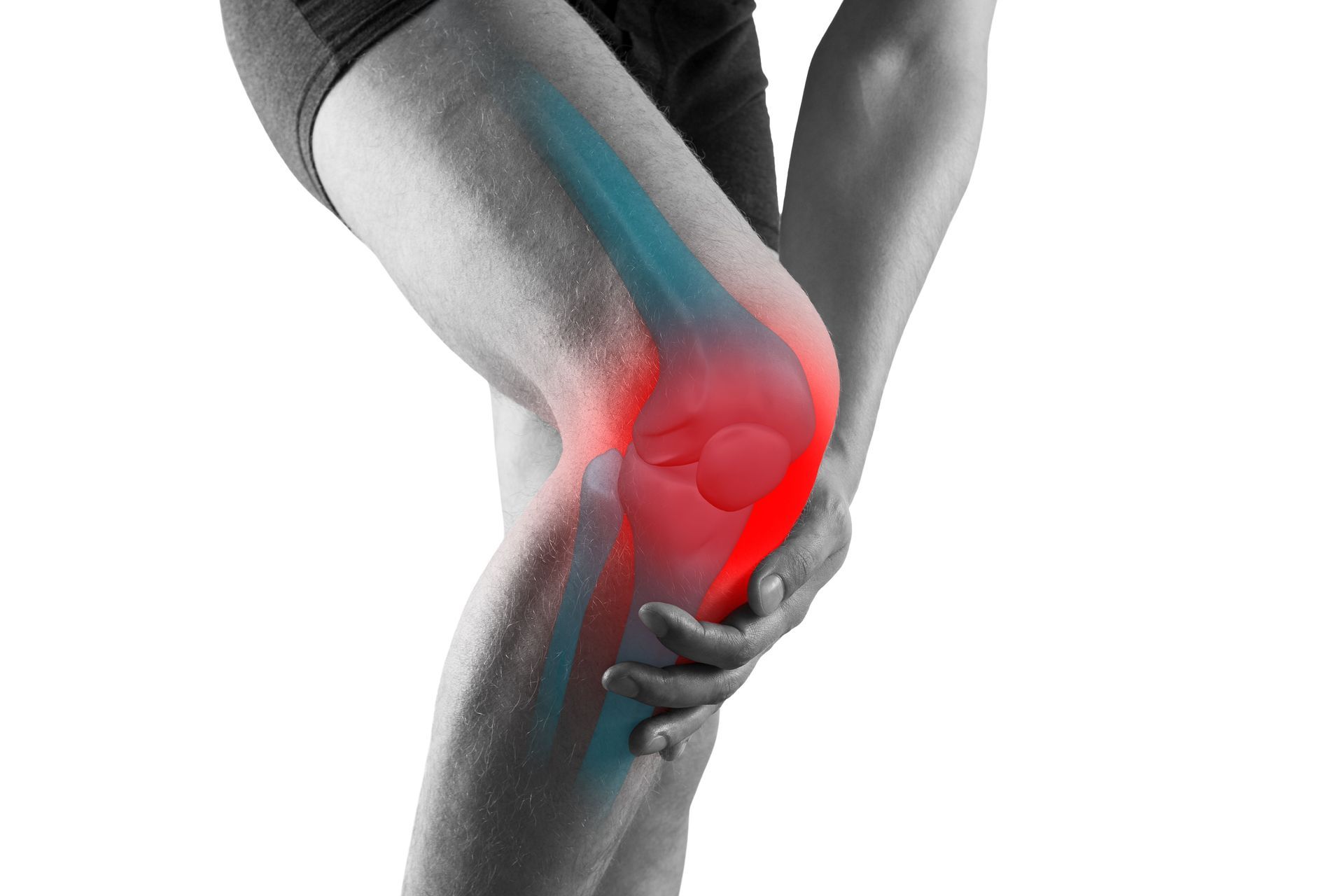
Managing pain post-surgery is an integral part of rehabilitation, crucial for both physical and mental recovery. Medications prescribed by healthcare professionals offer relief and aid in decreasing the discomfort that follows any surgical procedure. It’s vital for patients to understand their medication regimen thoroughly to prevent misuse and unwanted side effects. Besides pharmaceuticals, several non-pharmacological methods like ice therapy and TENS units can be utilized for pain relief. Incorporating diverse pain management techniques ensures patients have comprehensive options suited to their individual needs.
Understanding pain and its signals allows patients to respond appropriately rather than react impulsively. Recognizing when pain signifies real damage helps in differentiating between normal recovery discomfort and potential complications. This critical awareness encourages communication with healthcare providers to address concerns promptly. Physical therapy plays a pivotal role, offering methods to diminish pain through targeted exercises and movements.
Occasionally, the intensity of pain justifies consultations with specialized pain management experts. These orthopedic surgeons review existing strategies and introduce advanced techniques to ensure patients maintain a quality of life during recovery. Specialized interventions might include localized injections or more comprehensive pain management programs tailored specifically for complex cases. Managing expectations and being proactive with pain control can empower patients through their rehabilitation journey. The goal is to transform recovery into a manageable experience, lessening distress and encouraging positive progress.
5. Psychological Aspects of Recovery
Recovery is a mental challenge as much as a physical one, necessitating effective coping mechanisms for stress management. Navigating a health crisis engenders various emotional responses requiring active strategies for resilience. Techniques such as meditation, deep breathing, and mindfulness can significantly reduce anxiety and promote relaxation. Collaborating with mental health professionals or support groups offers invaluable guidance and improves coping capacities. Maintaining psychological wellness defines the broader recovery experience, translating to better rehabilitation outcomes.
The importance of mental health support cannot be emphasized enough, particularly during demanding recovery periods. Emotional challenges like depression or anxiety can impede physical recovery if not addressed promptly. Regular mental health check-ins and accessing resources like counseling contribute positively to emotional health. Identifying supportive networks among family and friends fosters environments conducive to recovery. By setting realistic recovery goals, patients align expectations with real possibilities, managing stress effectively.
Recognizing signs of depression or other mental health issues is imperative for timely intervention. Open communication with healthcare providers ensures that psychological needs receive adequate attention alongside physical health. The support from family, community, and professionals constructs an uplifting framework for recovery, countering isolation and facilitating growth. Furthermore, the social aspect of recovery enhances motivation, encouraging patients to actively participate in their rehabilitation processes. Consequently, emphasizing both physical and psychological facets equates to holistic and effective recovery pathways.
Post-surgery recovery thrives on early mobilization, personalized therapy, proper nutrition, pain management, and mental wellness. A holistic, proactive approach helps patients heal faster, reduce complications, and regain independence with confidence. Schedule a consultation with orthopedic surgeons at South Bay Orthopedic today to create a tailored recovery plan that works for you.



Share On: