

Common Conditions Treated by Orthopedic Surgeons
Orthopedic surgeons are specialized medical professionals who focus on diagnosing, treating, and preventing disorders related to the musculoskeletal system. This comprehensive field includes the management of bones, joints, ligaments, tendons, and muscles. In a society where physical activity is a vital aspect of daily life, the demand for skilled surgeons continues to grow. They are essential in managing conditions ranging from simple fractures to complex, chronic joint diseases. This article explores the most common conditions treated by orthopedic surgeons, emphasizing the importance of their expertise in improving patient outcomes across the United States.
Managing Osteoarthritis
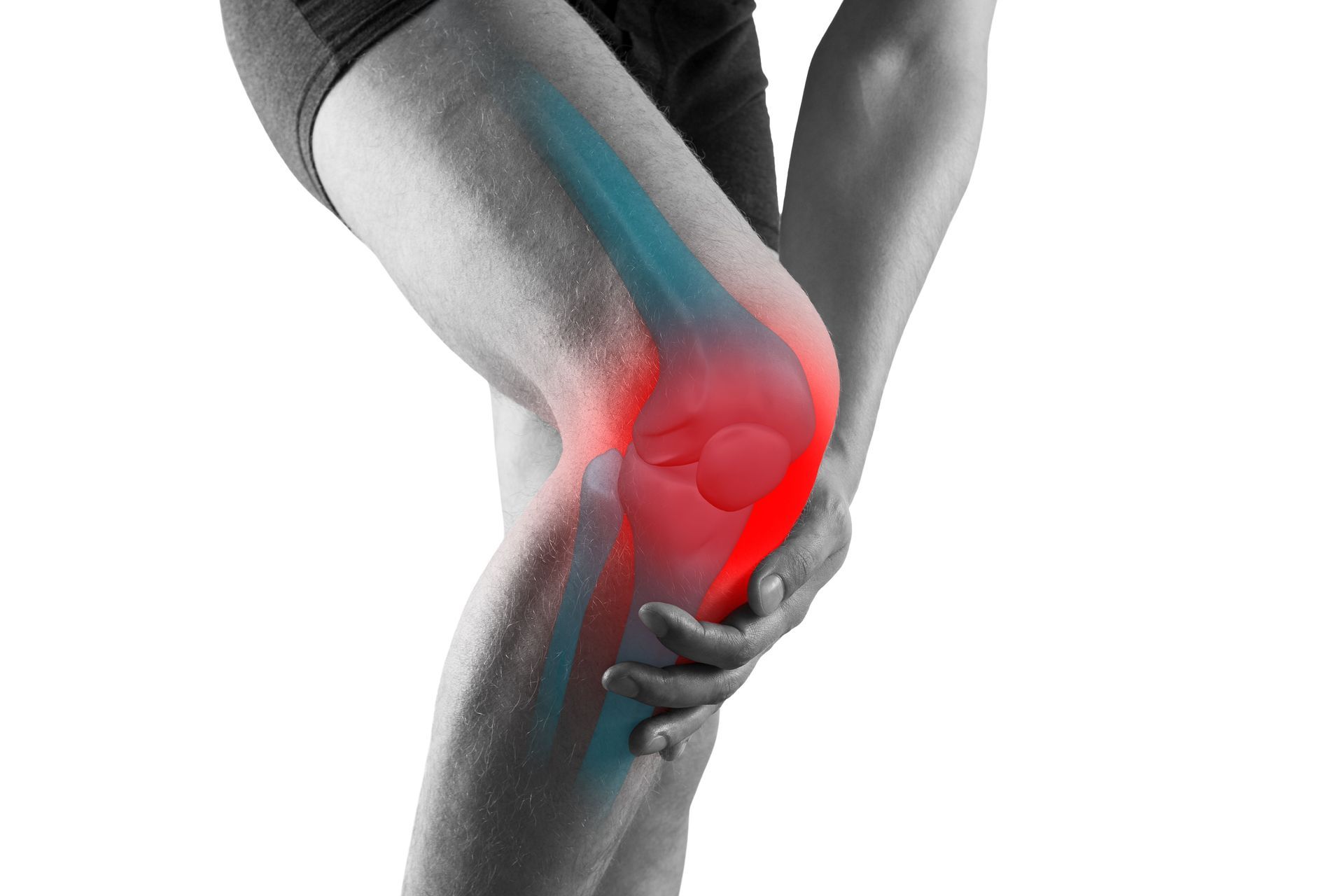
Osteoarthritis is a degenerative joint disease characterized by the breakdown of cartilage, which acts as a cushion between bones. As cartilage deteriorates, bones begin to rub against each other, leading to pain, swelling, and reduced joint mobility. It is known as a "wear and tear" disease, primarily affecting older adults. While it can affect any joint, it most commonly impacts the knees, hips, and hands. Understanding the biological changes in the joint is essential for creating a long-term management strategy that preserves as much function as possible.
Evaluating Risk Factors
Several risk factors contribute to the development of osteoarthritis. Age is the most significant factor, with prevalence increasing among older individuals. Obesity is another major contributor, as excess weight puts additional strain on weight-bearing joints, accelerating cartilage breakdown. Genetic predisposition also plays a role, and joint injuries from sports or traffic accidents can increase the likelihood of developing the condition later in life. By identifying these risks early, patients can work with medical professionals to mitigate the impact of the disease.
Navigating Treatment Options
Treatment for osteoarthritis focuses on relieving symptoms and improving joint function. Non-surgical options include medication, physical therapy, and lifestyle modifications, such as weight management. While these treatments can alleviate symptoms, advanced cases might require surgical intervention. According to data from Future Market Insights, Inc., the demand for hip and knee replacement procedures in the U.S. is expected to increase significantly through the end of the decade to 11 billion procedures. This trend highlights the critical need for proficient orthopedic care to restore mobility to a growing population.
Addressing Rheumatoid Arthritis
Unlike osteoarthritis, Rheumatoid Arthritis (RA) is an autoimmune condition where the body's immune system mistakenly attacks its own tissues. This leads to joint inflammation, pain, and ultimately, joint deformity. Common symptoms include swollen and tender joints, morning stiffness lasting more than an hour, and symmetrical joint involvement, such as inflammation occurring in both wrists simultaneously. Systemic symptoms like fatigue and fever further complicate the condition, making it a multifaceted challenge for both the patient and the healthcare provider.
Exploring Orthopedic Intervention
Orthopedic intervention is critical in managing the debilitating effects of RA. Orthopedic surgeons collaborate with rheumatologists to offer comprehensive treatment strategies. They provide surgical solutions to correct deformities and improve joint mechanics if conservative measures fail. Surgeons are also deeply involved in post-surgical rehabilitation, emphasizing the recovery of function and mobility to help patients maintain a high quality of life. This interdisciplinary approach is necessary to manage the aggressive nature of autoimmune joint destruction.
Treating Bone Fractures
Fractures are breaks in bones caused by trauma, overuse, or medical conditions that weaken bone structure. They come in various forms, including simple breaks, compound fractures where the bone pierces the skin, and comminuted fractures where the bone shatters into several pieces. Identifying the specific type of fracture is essential for determining appropriate management and facilitating effective healing. A precise classification allows for a more predictable recovery timeline and better surgical planning.
Comparing Management Strategies
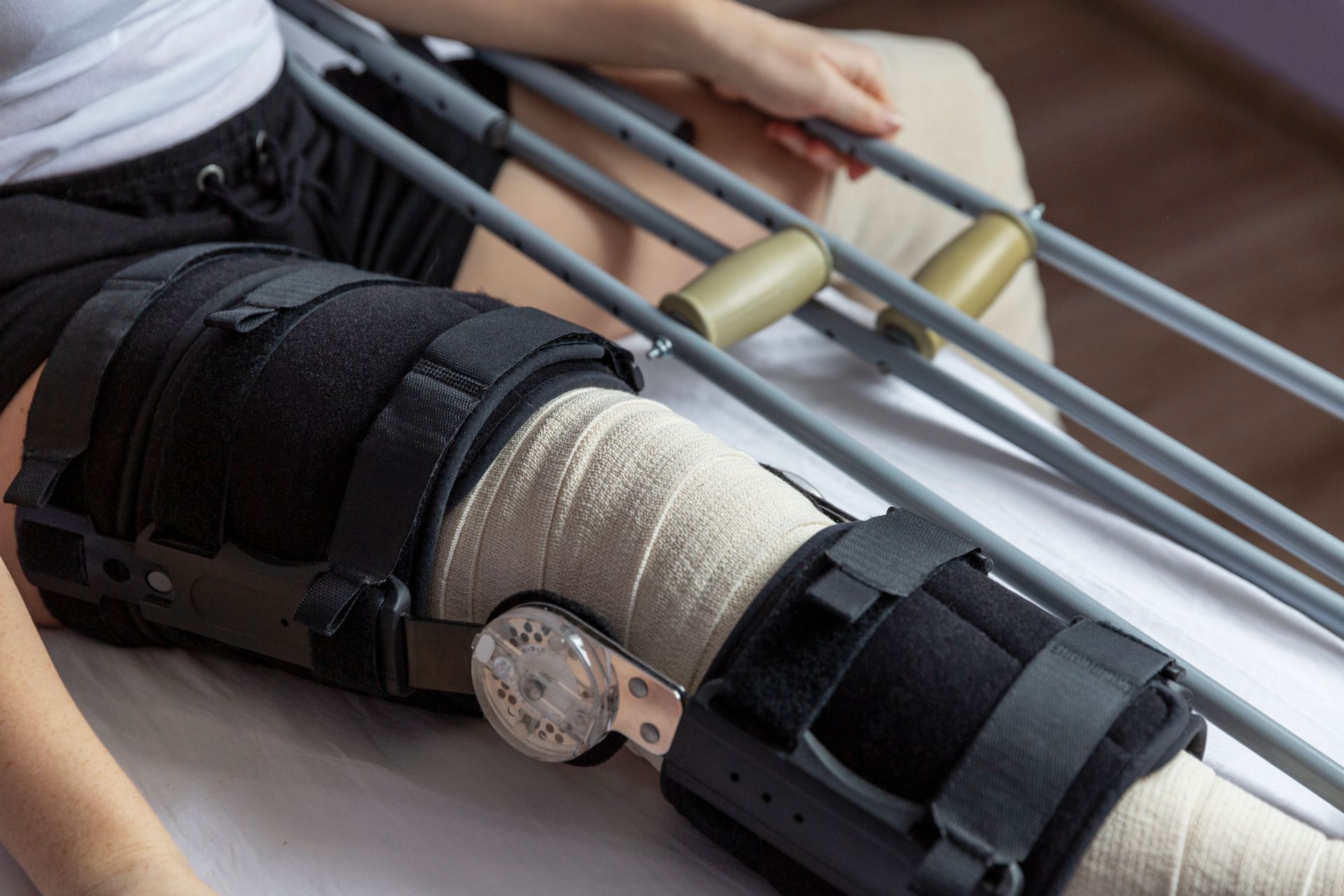
Treatment of fractures depends on the location and severity of the injury. Conservative management may involve immobilization through casting or splinting to allow the bone to knit back together naturally. However, severe fractures with misalignment might require surgical intervention to realign and stabilize bones. Options include internal fixation with plates and screws or external fixation devices that hold the bone in place from outside the limb. Orthopedic surgeons utilize their expertise to provide optimal care, helping the bone heal in the correct anatomical position.
Resolving Sports Injuries
Sports injuries encompass a wide range of conditions, primarily sprains, strains, and tears involving ligaments and tendons. These can be classified as acute, such as sudden trauma like an ACL tear during a game, or chronic, which involves gradual strain like tendinitis from repetitive motion. Identifying and treating these injuries promptly prevents long-term complications and aids in a faster return to physical activity. A thorough diagnosis often involves a combination of physical examination and advanced diagnostic imaging.
Implementing Recovery Protocols
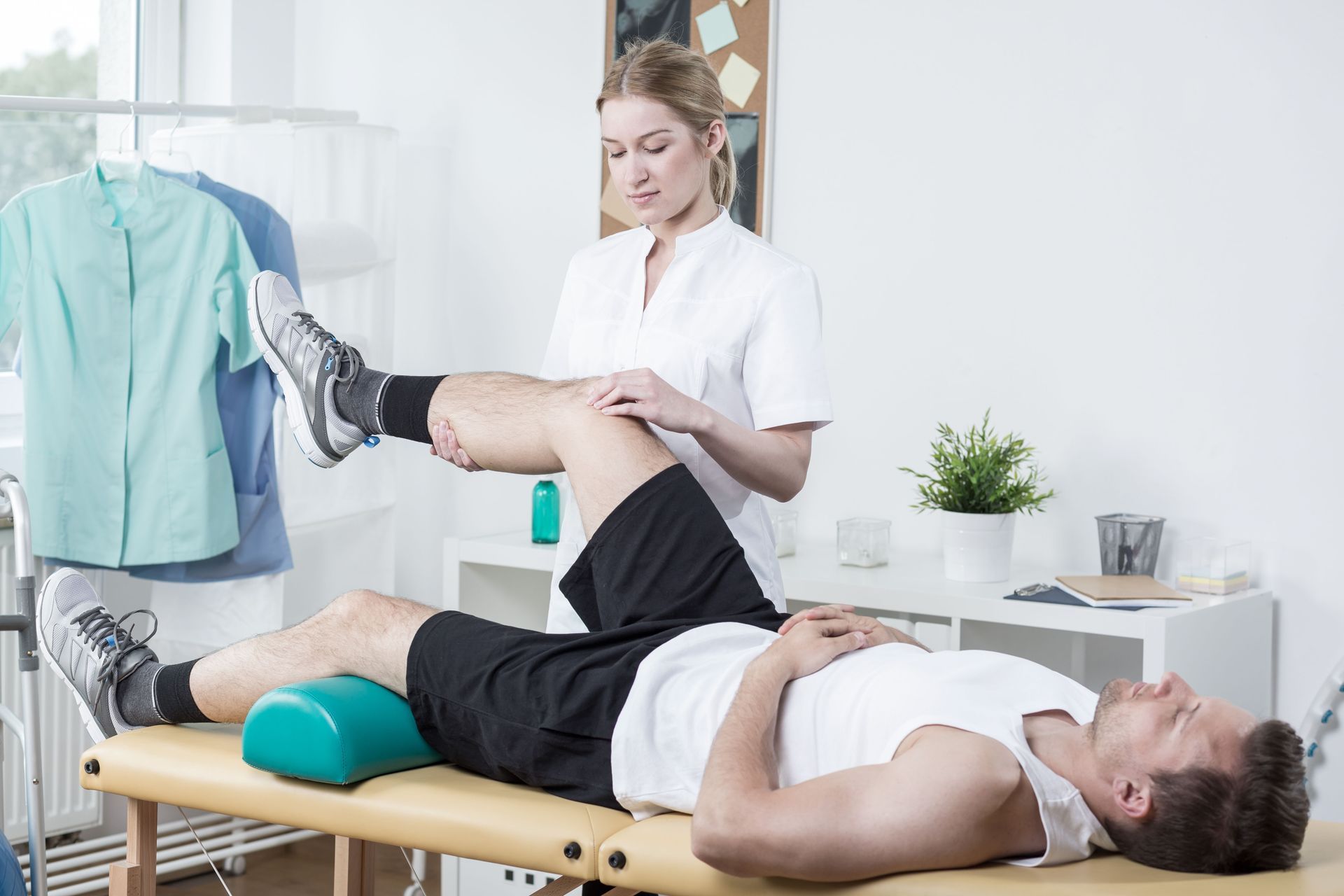
Orthopedic surgeons develop comprehensive treatment plans that encompass both surgical and non-surgical approaches. While the RICE (Rest, Ice, Compression, Elevation) strategy is often the first line of defense for minor injuries, surgical reconstruction may be necessary for severe ligament tears. Surgeons work closely with physical therapists to monitor progress and adjust treatment plans, helping athletes and active individuals achieve peak performance post-injury. This coordination helps patients avoid re-injury during the vulnerable healing phase.
Correcting Spinal Disorders
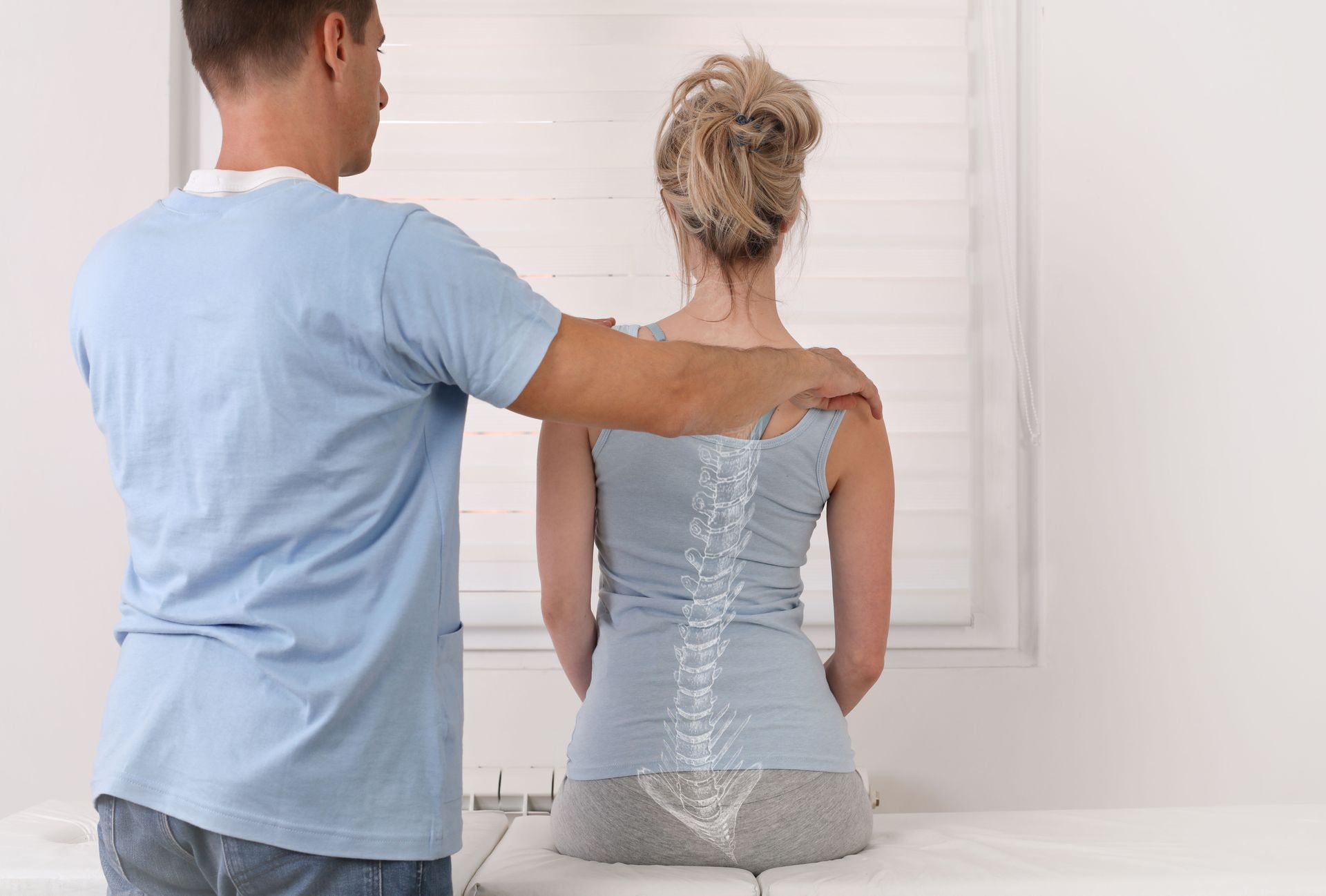
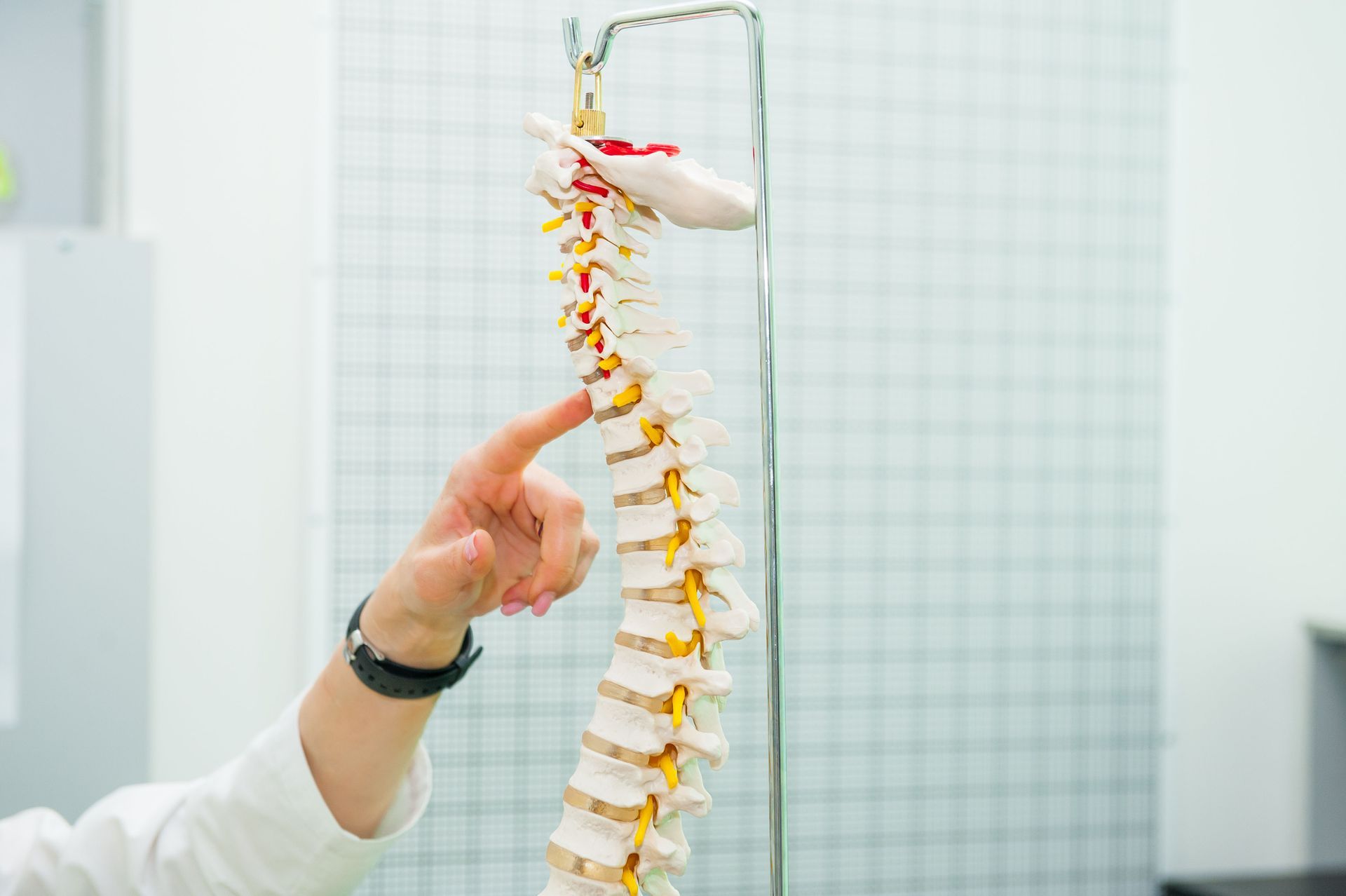
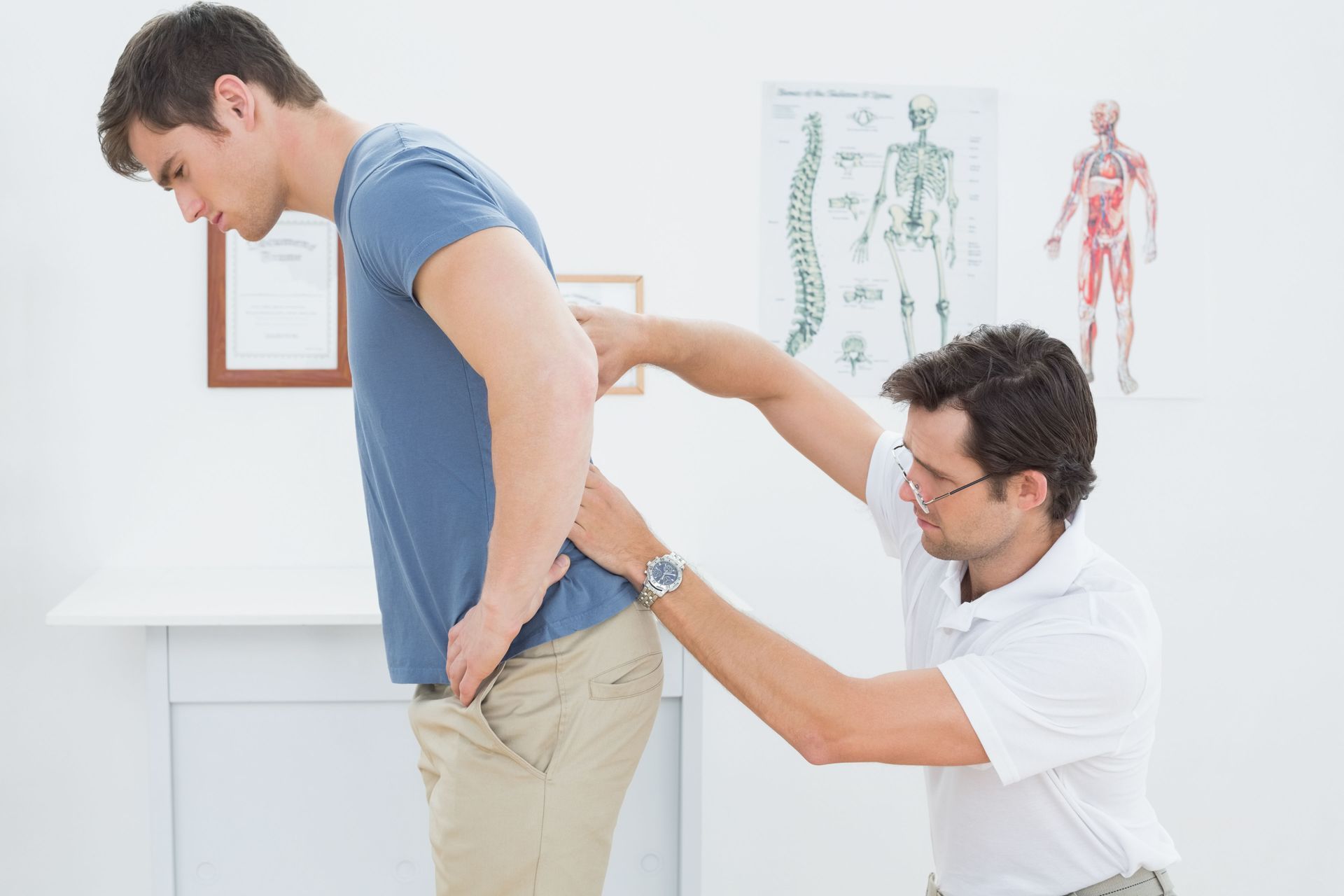
Spinal disorders include various conditions that affect the structure and function of the back and neck. Common disorders include degenerative disc disease, herniated discs, and spinal stenosis, which is the narrowing of the spinal canal. These issues often result in chronic pain, numbness, or impaired mobility, necessitating a thorough evaluation by a specialist. Because the spine houses the central nervous system, accurate diagnosis is paramount to prevent long-term nerve damage and maintain motor function.
Reviewing Surgical Interventions
Surgical intervention becomes necessary when non-surgical treatments—like core strengthening, injections, and anti-inflammatory medications—do not alleviate symptoms. Common procedures include discectomies to remove herniated material and spinal fusions to stabilize segments of the vertebrae. Advances in minimally invasive techniques have improved recovery times in the U.S., allowing patients to resume daily activities with significantly reduced pain. Surgeons must carefully weigh the benefits of stability against the potential for reduced flexibility in the treated area.
Investigating Bone Tumors
Bone tumors can be benign or malignant. Benign tumors, such as bone cysts, are non-cancerous and usually do not spread to other parts of the body, though they can still weaken the bone structure. Malignant tumors, such as osteosarcoma, are cancerous and can metastasize, posing significant health risks to the patient. Accurate classification through biopsy and imaging is fundamental for orthopedic oncology specialists to develop targeted treatment strategies. Early detection of malignant growth is a major factor in improving survival rates and preserving limb function.
Coordinating Multidisciplinary Care
Orthopedic oncology specialists are critical in managing bone tumors. They collaborate with radiologists and pathologists to offer evidence-based treatment plans tailored to each individual. These specialists perform complex surgeries, such as tumor resections and limb-sparing reconstructions, to preserve function while eradicating cancerous growths. Long-term monitoring is essential to detect recurrence and manage potential complications arising from both the tumor and its treatment. This comprehensive care model addresses both the immediate threat and the long-term wellness of the survivor.
Orthopedic surgeons play an indispensable role in managing a diverse array of musculoskeletal conditions. From the daily wear and tear of osteoarthritis to traumatic fractures and complex spinal disorders, their specialized knowledge helps patients receive accurate diagnoses and effective treatments. Early intervention is often the key to preventing permanent disability and improving overall wellness. By utilizing advanced surgical skills and integrated rehabilitation plans, these professionals help individuals across the U.S. regain their independence and lead active lives.
If you are experiencing persistent joint pain, limited mobility, or a sports-related injury, do not wait for the condition to worsen. Contact South Bay Orthopedic today to schedule a consultation with our experienced orthopedic surgeons and take the first step toward reclaiming your physical health.



Share On: