

The Role of Orthopedic Clinics in Sports Injury Treatment
Sports are an integral part of many people’s lives, offering physical, mental, and social benefits. From amateur enthusiasts to professional athletes, participating in sports can enhance fitness, improve coordination, and foster teamwork. However, the physical demands of sports also carry the risk of injury, ranging from minor strains to severe fractures. Managing these injuries promptly and effectively is crucial for maintaining long-term health and ensuring athletes can safely return to their activities.
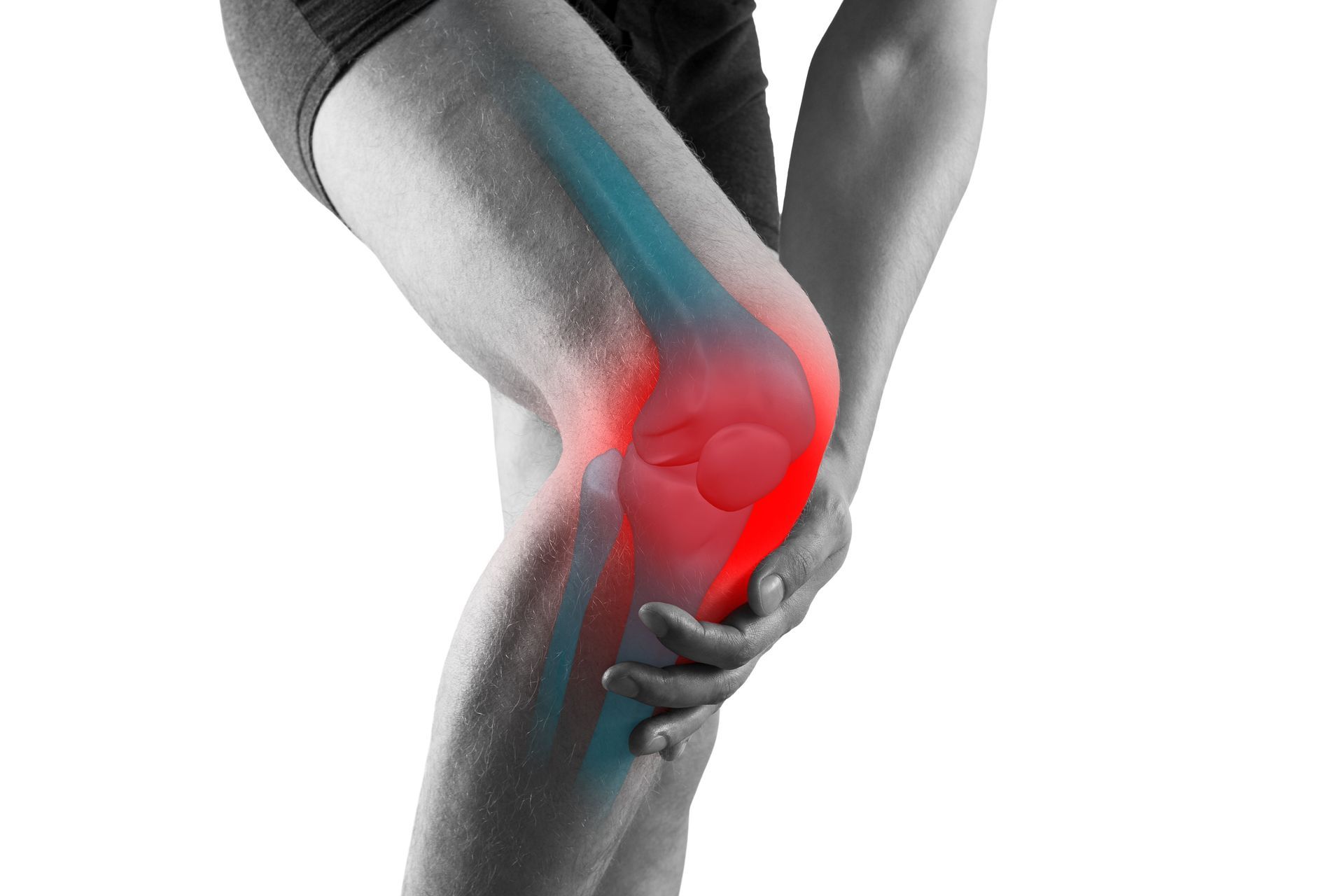
Orthopedic clinics are medical facilities dedicated to diagnosing, treating, and rehabilitating musculoskeletal injuries. They combine expertise in bones, joints, ligaments, tendons, and muscles, offering a comprehensive approach to sports injury management. Whether it’s a sprained ankle from weekend basketball or a torn ligament from professional football, these clinics ensure patients receive precise evaluation, appropriate treatment, and personalized rehabilitation plans.
Diagnosing Sports Injuries Accurately
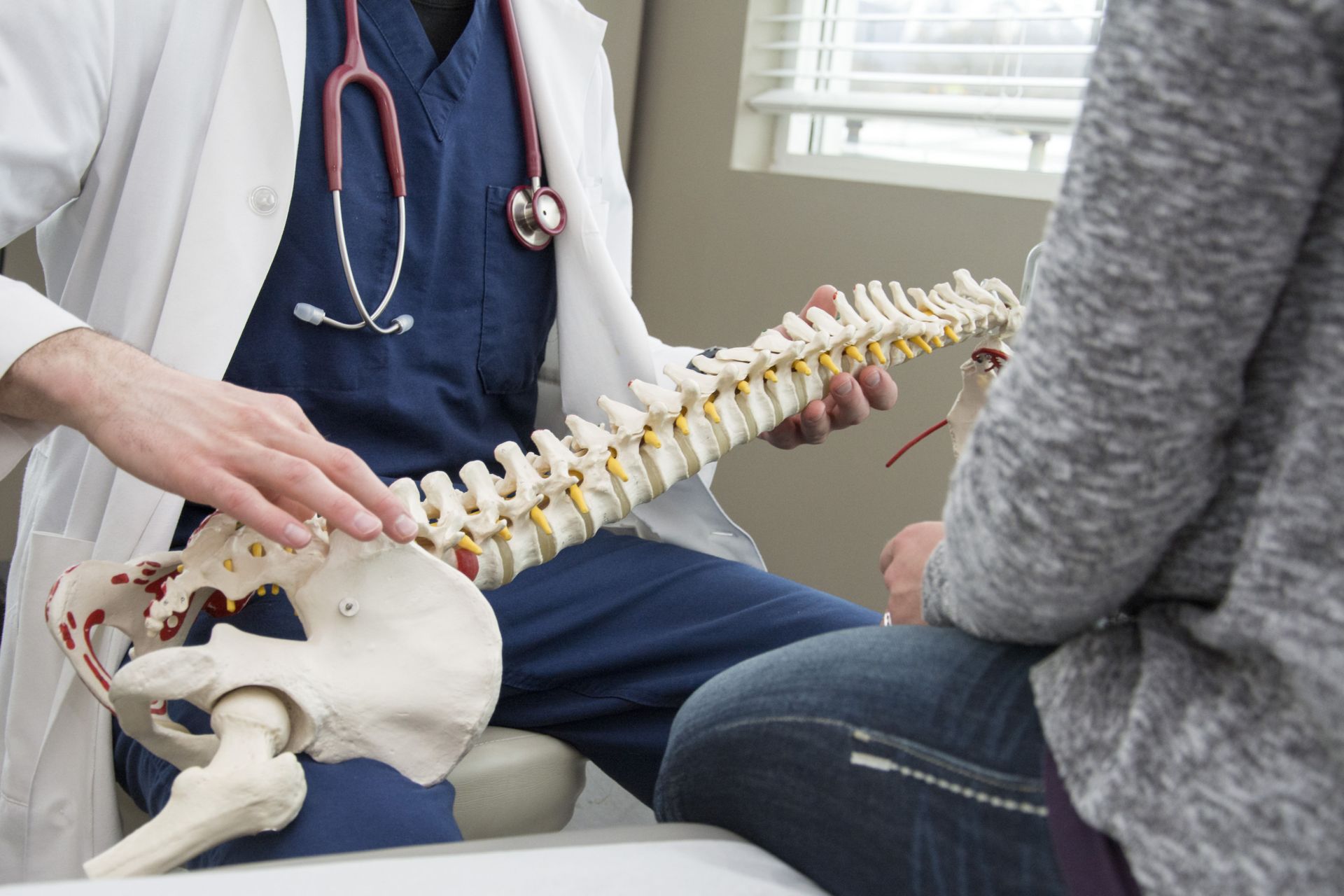
Accurate diagnosis is the first and perhaps most critical step in sports injury treatment. Sports medicine clinics employ a variety of diagnostic tools, such as X-rays, to pinpoint the exact nature and severity of an injury. Unlike general medical offices, these clinics are staffed with specialists trained to interpret complex musculoskeletal images and identify subtle issues that may otherwise be overlooked. Early and precise diagnosis allows for a treatment plan that targets the underlying problem rather than just alleviating symptoms.
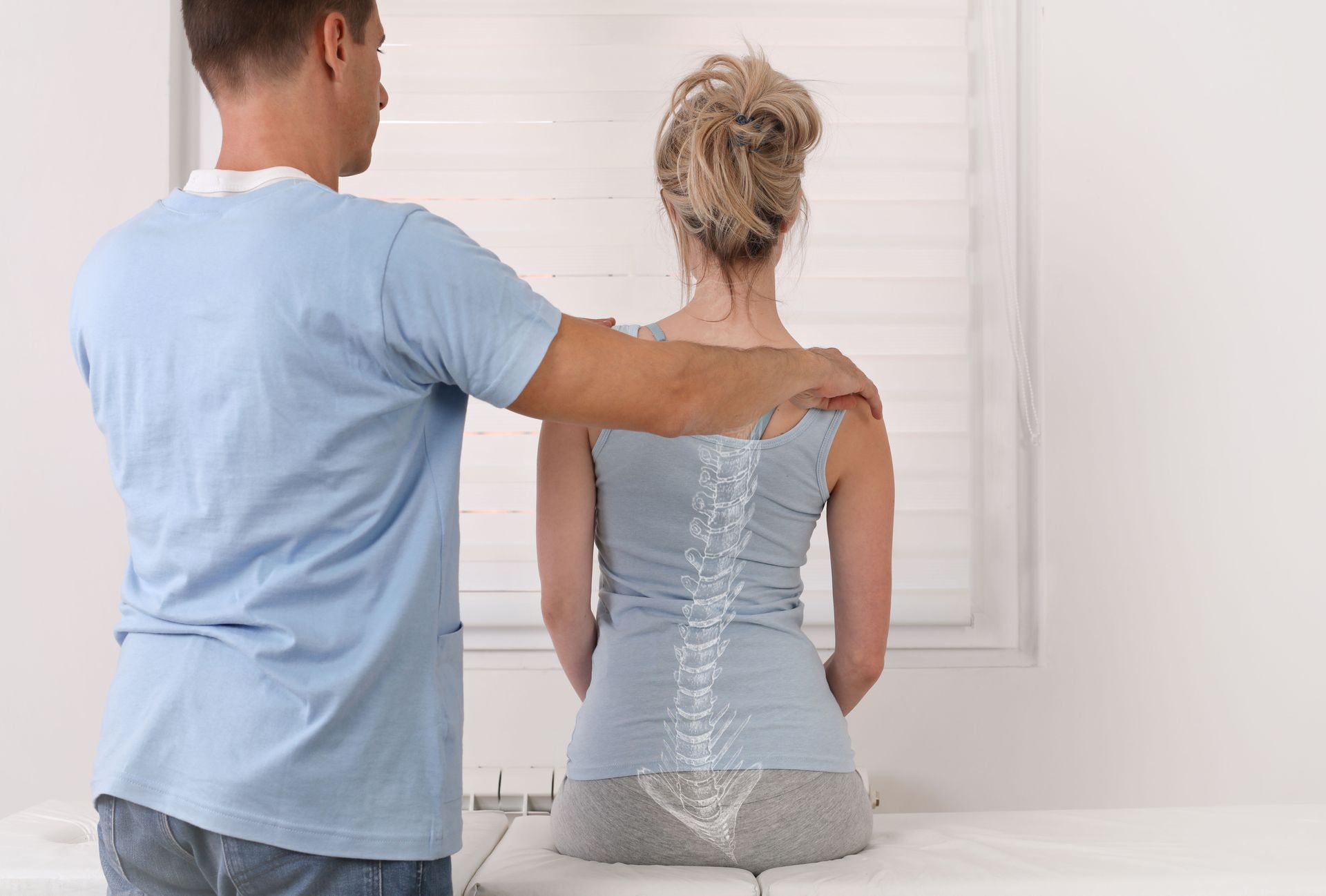
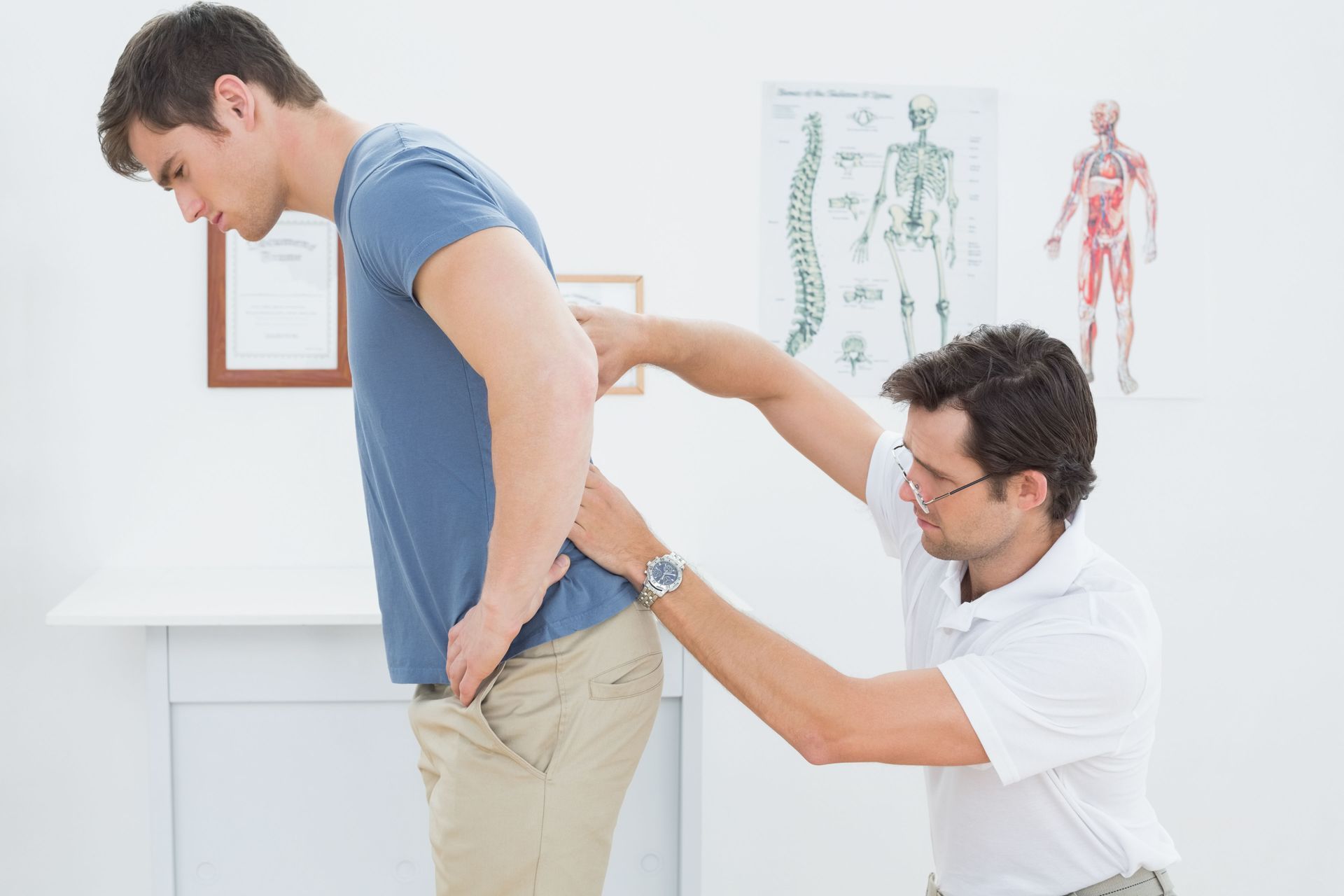
In addition to imaging, orthopedic practices utilize a thorough physical assessment to understand the mechanics of an injury. Specialists may examine joint flexibility, muscle strength, and gait patterns to determine the cause and extent of damage. This holistic evaluation is particularly important for athletes, as injuries often involve multiple interconnected structures. A sprained ankle, for example, may also impact knee alignment or hip stability, necessitating a broader treatment approach.
Many clinics offer access to advanced diagnostic technologies that capture detailed data on how athletes move during activity, helping clinicians identify weaknesses or imbalances that contribute to injuries. By leveraging these tools, orthopedic clinics not only address current injuries but also implement preventive strategies to minimize future risks.
Creating Personalized Treatment Plans
Once a sports injury is accurately diagnosed, an orthopedic specialist can develop personalized treatment plans designed to promote optimal healing. These plans consider the athlete’s age, level of activity, overall health, and the specific demands of their sport. Treatment options range from conservative approaches, such as rest, physical therapy, and anti-inflammatory medications, to more advanced interventions like injections or surgical procedures. Tailoring the approach to each patient ensures not only faster recovery but also a safer return to activity.
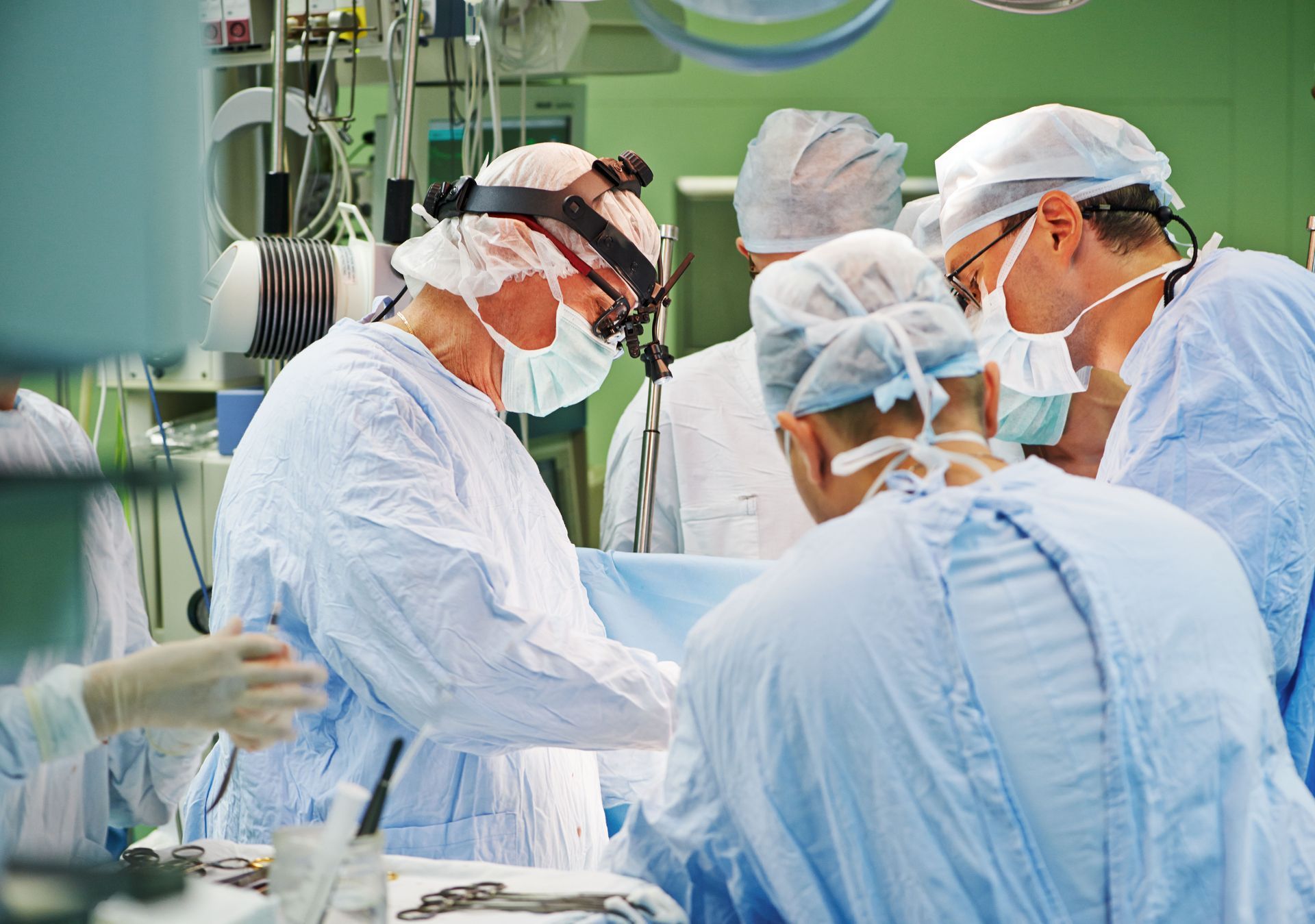
For injuries requiring surgery, orthopedic clinics provide highly specialized surgical interventions. Procedures may include arthroscopy for joint repairs, ligament reconstruction, fracture fixation, or tendon repair. These surgeries are often minimally invasive, reducing recovery time and lowering the risk of complications. Surgeons are trained to address sports-related injuries with precision, preserving as much function as possible while promoting healing.
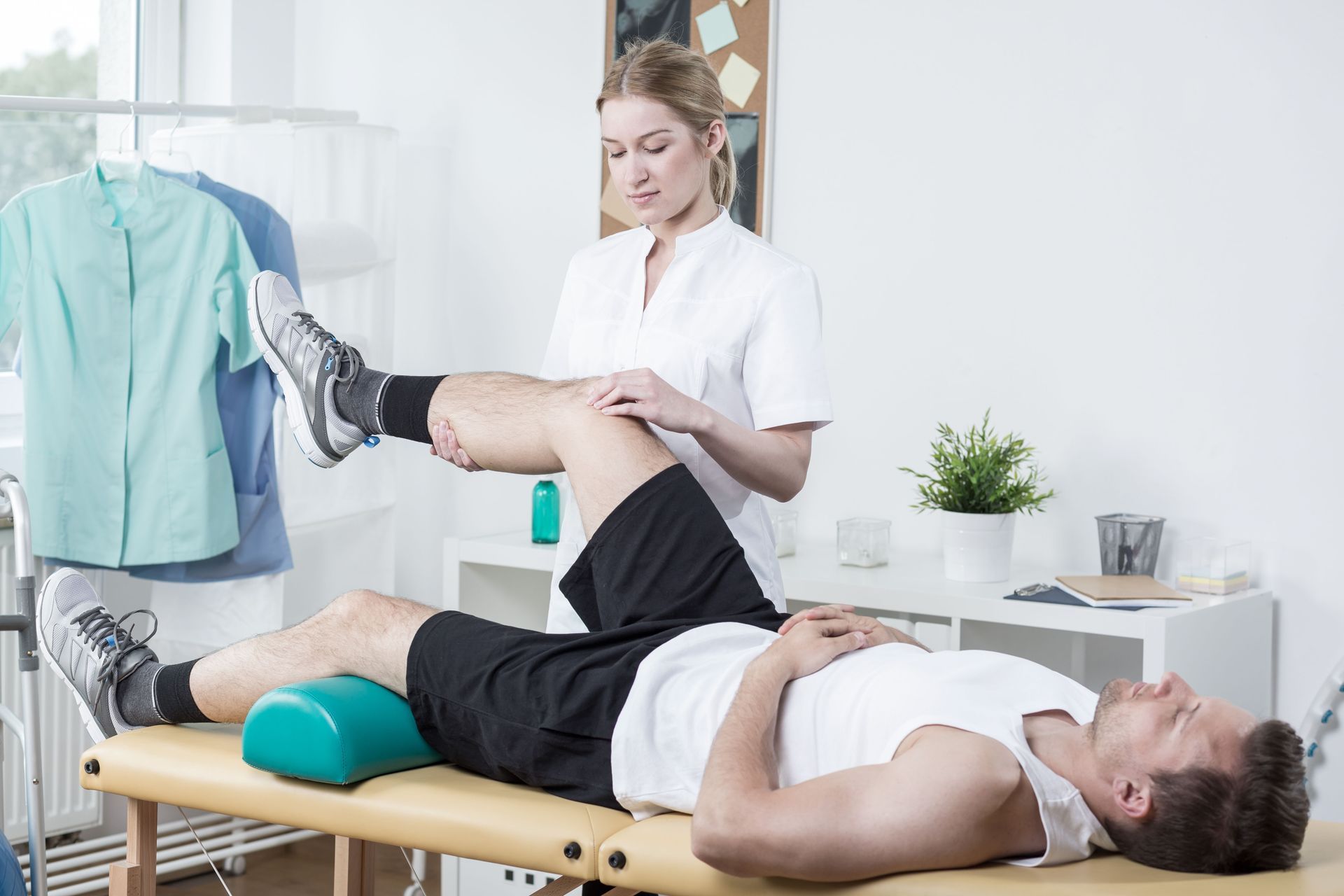
Post-surgery rehabilitation is another crucial aspect of treatment. Physical therapists work closely with surgeons to create structured rehabilitation programs that restore strength, flexibility, and coordination. Rehabilitation may involve targeted exercises, manual therapy, and the use of supportive equipment to ensure a gradual and safe progression back to sport.
Clinics frequently provide education on injury prevention alongside treatment. Athletes learn proper warm-up techniques, strength training exercises, and movement strategies to reduce the likelihood of future injuries. This combination of treatment, rehabilitation, and preventive guidance highlights the comprehensive role orthopedic practices play in supporting athletes’ long-term musculoskeletal health.
Managing Acute and Chronic Sports Injuries
Athletic injuries can be categorized as acute or chronic, each requiring a unique approach for effective treatment. Acute injuries, such as fractures, sprains, or dislocations, typically result from sudden trauma during activity. Orthopedic clinics are equipped to handle these emergencies, providing immediate care that stabilizes the injury and prevents further damage. Prompt intervention is particularly important for acute injuries to avoid complications such as joint instability, chronic pain, or long-term mobility issues.
Chronic injuries, on the other hand, develop gradually over time due to repetitive stress or overuse. Common examples include tendinitis, stress fractures, and bursitis. Treating chronic injuries often requires a combination of activity modification, targeted therapy, and sometimes surgical intervention. Orthopedic centers are adept at identifying the root cause of chronic injuries, often using a combination of imaging and biomechanical analysis. This allows clinicians to treat the underlying issue rather than simply masking symptoms, promoting sustainable recovery.
According to the National Safety Council, the rate of injuries related to sports and recreational activities was up 17% in 2024 compared with the previous year. This increase underscores the growing demand for specialized care provided by musculoskeletal clinics. Both recreational athletes and professionals benefit from having access to facilities equipped to manage the full spectrum of injuries, from minor strains to complex conditions requiring surgical intervention.
Additionally, orthopedic clinics often collaborate with other healthcare providers, including nutritionists, trainers, and primary care physicians, to address contributing factors such as improper nutrition, training errors, or pre-existing medical conditions. This multidisciplinary approach ensures that both acute and chronic injuries are treated comprehensively, enhancing recovery outcomes and preventing recurrence.
Rehabilitating and Return-to-Play Programs
Recovery from a sports injury extends beyond medical treatment; rehabilitation is a critical phase where orthopedic specialists demonstrate their expertise. Rehabilitation programs are designed to restore strength, mobility, and coordination while gradually reintroducing athletes to their sport. Physical therapists in orthopedic clinics use a range of techniques, including resistance training, proprioceptive exercises, and sport-specific drills, to rebuild function safely.
Return-to-play programs are carefully structured to reduce the risk of re-injury. Orthopedic practices assess an athlete’s readiness using functional testing and movement analysis, ensuring that joints, muscles, and ligaments can handle the physical demands of competition. These programs are tailored to the specific sport and position, recognizing that the physical requirements of a soccer forward differ from those of a basketball center.
In addition to physical recovery, rehabilitation in musculoskeletal clinics often addresses psychological readiness. Athletes recovering from injuries may experience fear, anxiety, or a lack of confidence in their performance. Clinics incorporate strategies to build mental resilience, supporting athletes in overcoming these challenges as they reintegrate into training and competition.
Ongoing monitoring and preventive care are essential components of rehabilitation. Orthopedic clinics provide follow-up assessments, advice on injury-prevention exercises, and recommendations for equipment modifications or training adjustments. By emphasizing long-term health, these clinics help athletes maintain peak performance while minimizing the likelihood of future injuries.
Orthopedic practices play a central role in the management of sports injuries, combining specialized expertise with advanced diagnostic tools, personalized treatment plans, and comprehensive rehabilitation programs. From acute trauma to chronic conditions, these clinics provide the care and guidance necessary for athletes to recover safely and effectively. By addressing both the physical and psychological aspects of injury, orthopedic centers help ensure that athletes can return to their sport stronger and more resilient than before.
Access to specialized care can significantly reduce recovery times and improve long-term outcomes. For athletes at every level, these clinics offer not only treatment but also the knowledge and support required to maintain lifelong musculoskeletal health and achieve peak performance in their chosen activities.
At South Bay Orthopedic, we’re dedicated to helping athletes recover, rebuild, and return to peak performance with care from one of the top orthopedic clinics in the region.



Share On: