

What Orthopedic Clinics Treat
Orthopedic clinics specialize in the diagnosis, treatment, and prevention of disorders related to the musculoskeletal system. This encompasses a wide range of conditions that affect bones, joints, muscles, ligaments, and tendons. Understanding what orthopedic clinics treat can help individuals know when to seek specialized medical care. This article delves into the various conditions and treatments offered by these facilities, highlighting their role in managing musculoskeletal health. Professional medical attention is often necessary to ensure that mobility is maintained throughout a person's life.
Bone Fractures and Dislocations
Bone fractures and dislocations are among the most common conditions treated at orthopedic clinics. Fractures occur when a bone cracks or breaks due to sudden injury, high-impact trauma, or repetitive stress over time. Dislocations involve the total displacement of a bone from its joint, which can cause significant pain and structural damage. Orthopedic specialists are trained to accurately diagnose these conditions through various imaging techniques such as X-rays and CT scans.
Types of Fractures
Fractures can be classified into different types based on their severity and the specific pattern of the break. Simple fractures involve a single clean break in the bone, while compound fractures occur when the bone breaks through the skin. Spiral and comminuted fractures are more complex, often involving multiple bone fragments or a twisting mechanism of injury. Each type requires a specific treatment approach to ensure the bone heals in the correct alignment.
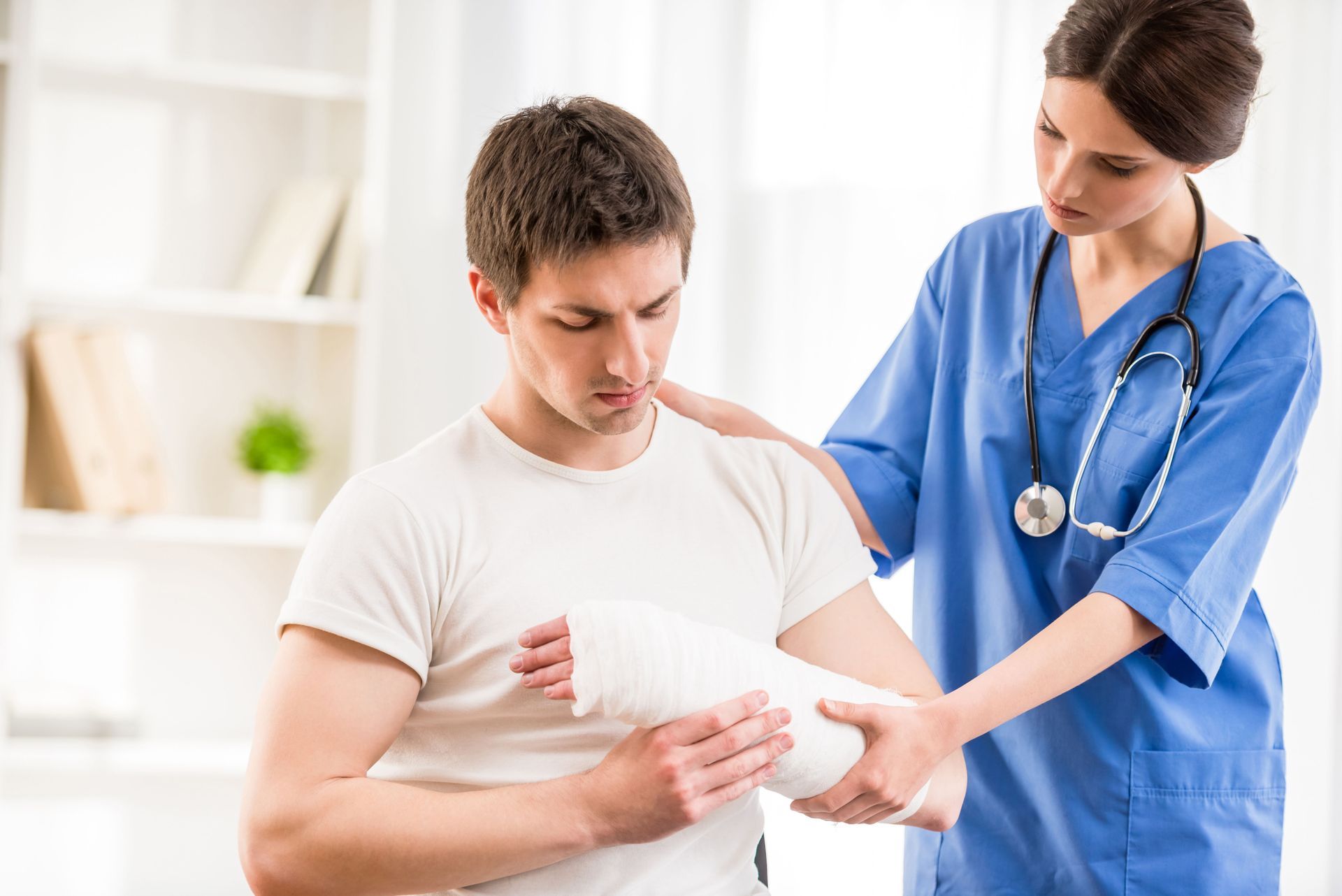
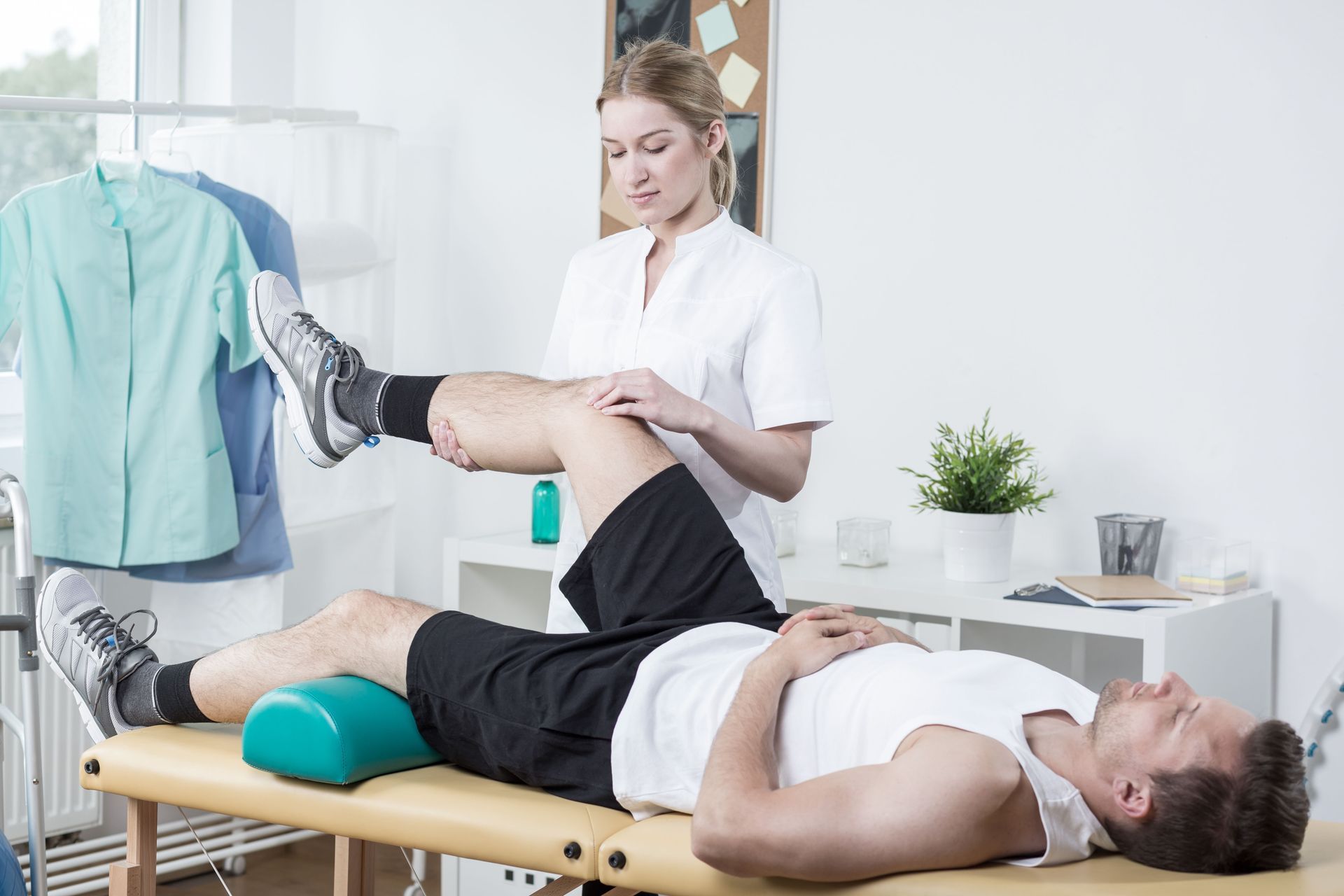
Treatment options for these injuries may include immobilization through casting, surgical intervention, and occasionally traction to realign the bone properly. Surgical procedures often involve the use of pins, plates, or screws to stabilize the fracture site during the healing process. Following the initial treatment, rehabilitative care is vital for restoring function and preventing long-term complications. Physical therapy plays a significant role in this process, helping patients regain their previous strength, flexibility, and overall mobility.
Joint Disorders and Arthritis
Joint disorders and various forms of arthritis are prevalent conditions that significantly affect an individual's quality of life. Osteoarthritis, the most common form, results from the progressive wear and tear of the cartilage that cushions the joints. Rheumatoid arthritis is an autoimmune disorder where the body's immune system attacks the joints, leading to chronic inflammation and damage. Both conditions cause persistent pain, stiffness, and reduced mobility, necessitating professional intervention from orthopedic clinics.
Managing Joint Health
Joint replacement surgeries are increasingly common for managing severe cases of arthritis and other degenerative joint disorders. Orthopedic surgeons perform procedures such as total hip and knee replacements to restore joint function and alleviate chronic pain. These surgeries involve removing the damaged biological joint and replacing it with a durable artificial prosthesis. Success rates for these procedures are generally high, allowing patients to experience significant improvements in their gait and comfort levels.
In addition to surgical options, clinics provide various non-invasive pain management solutions for joint disorders. Medications, specialized physical therapy, and targeted lifestyle changes can help manage symptoms and slow the progression of the disease. Preventative measures, such as maintaining a healthy body weight and engaging in low-impact exercise, are crucial for long-term joint health. Clinics also educate patients on effective strategies to reduce mechanical strain on the affected joints during daily tasks.
Sports Injuries and Performance
Sports injuries are a common concern for both professional athletes and physically active individuals in the community. These injuries often result from overuse, poor technique, or sudden impact during intense physical activity. Common sports-related conditions include ligament sprains, muscle strains, stress fractures, and joint dislocations. Specialized orthopedic clinics offer expert care to diagnose, treat, and prevent these injuries so athletes can return to their activities safely.
Diagnosis and Recovery
Accurate diagnosis is critical in managing sports-related injuries effectively to prevent them from becoming chronic issues. Orthopedic specialists utilize advanced imaging techniques, such as MRI and high-resolution ultrasound, to assess the extent of soft tissue damage. Early diagnosis ensures that the appropriate treatment path is chosen, which minimizes the risk of further injury or long-term instability. Treatment options vary depending on the severity, ranging from conservative rest to complex surgical repairs.
Rehabilitation is a cornerstone of sports injury management, focusing on restoring the athlete's strength and functional performance. Physical therapy programs are specifically tailored to address the unique demands of each sport, aiding in a safe and efficient return to competition. Additionally, injury prevention strategies, including balance training and proper warm-up techniques, are emphasized within the clinic setting. As participation in sports continues to grow, these clinics play a pivotal role in supporting the health and performance of the active population.
Spine Disorders and Back Care
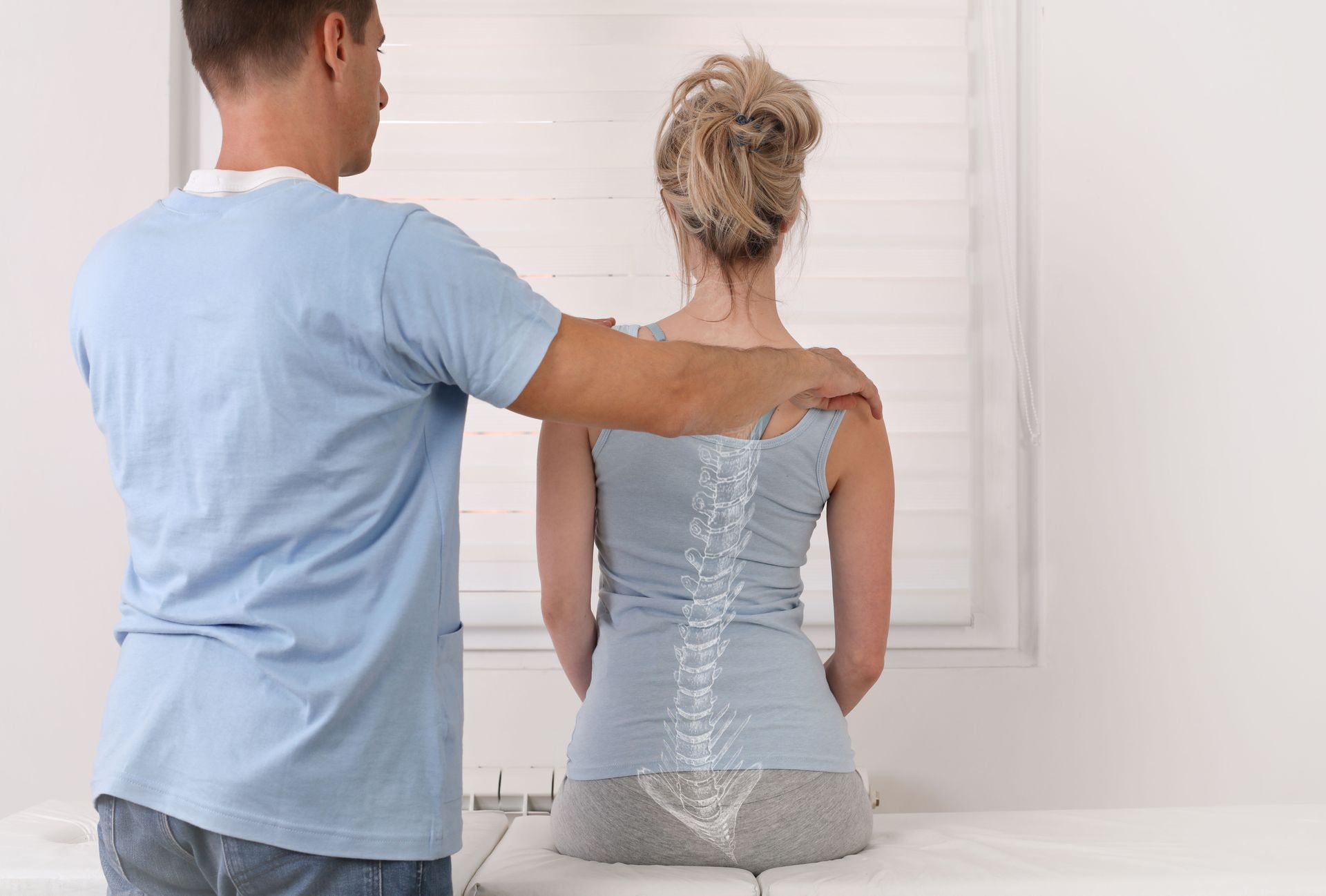
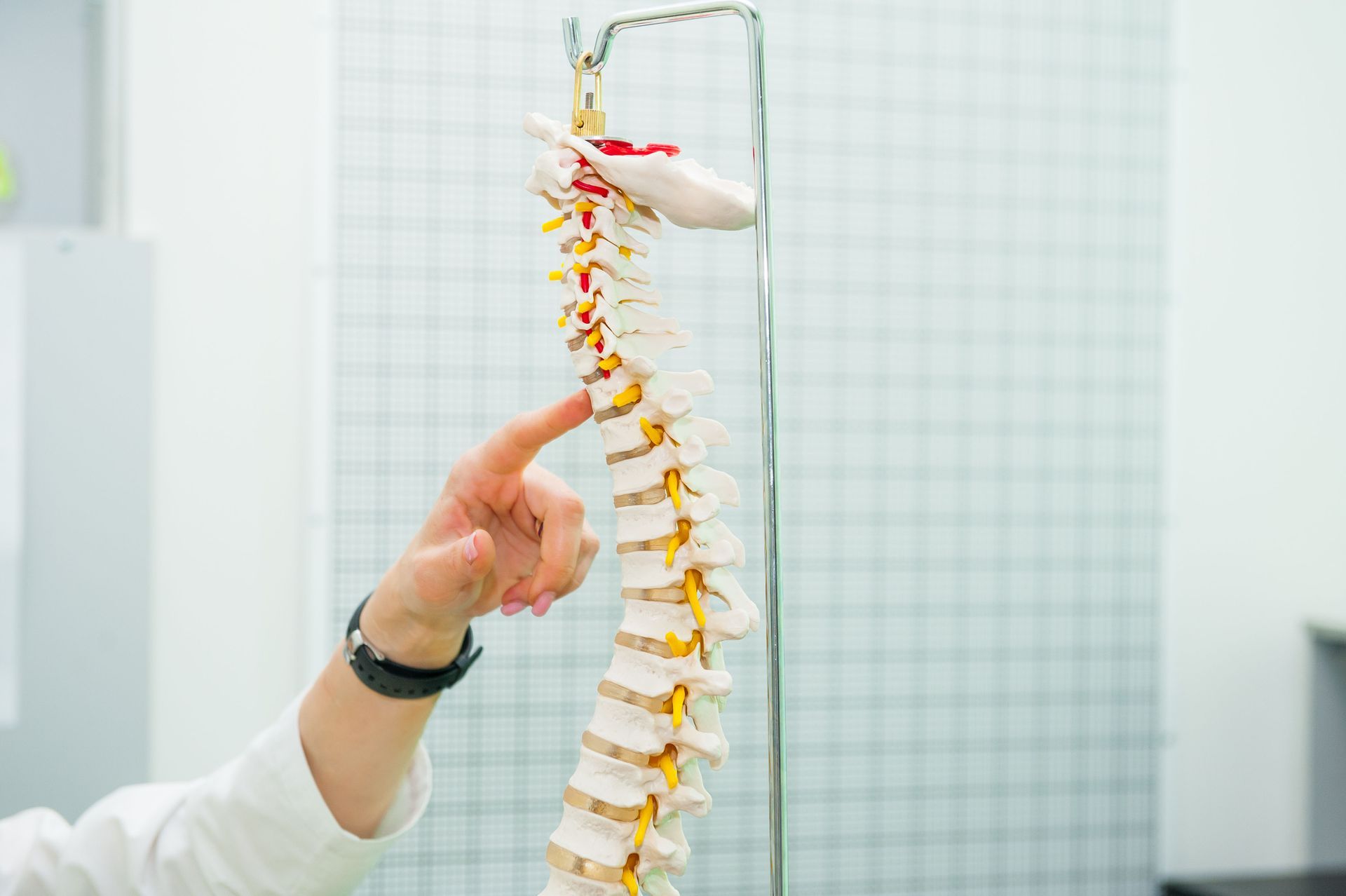
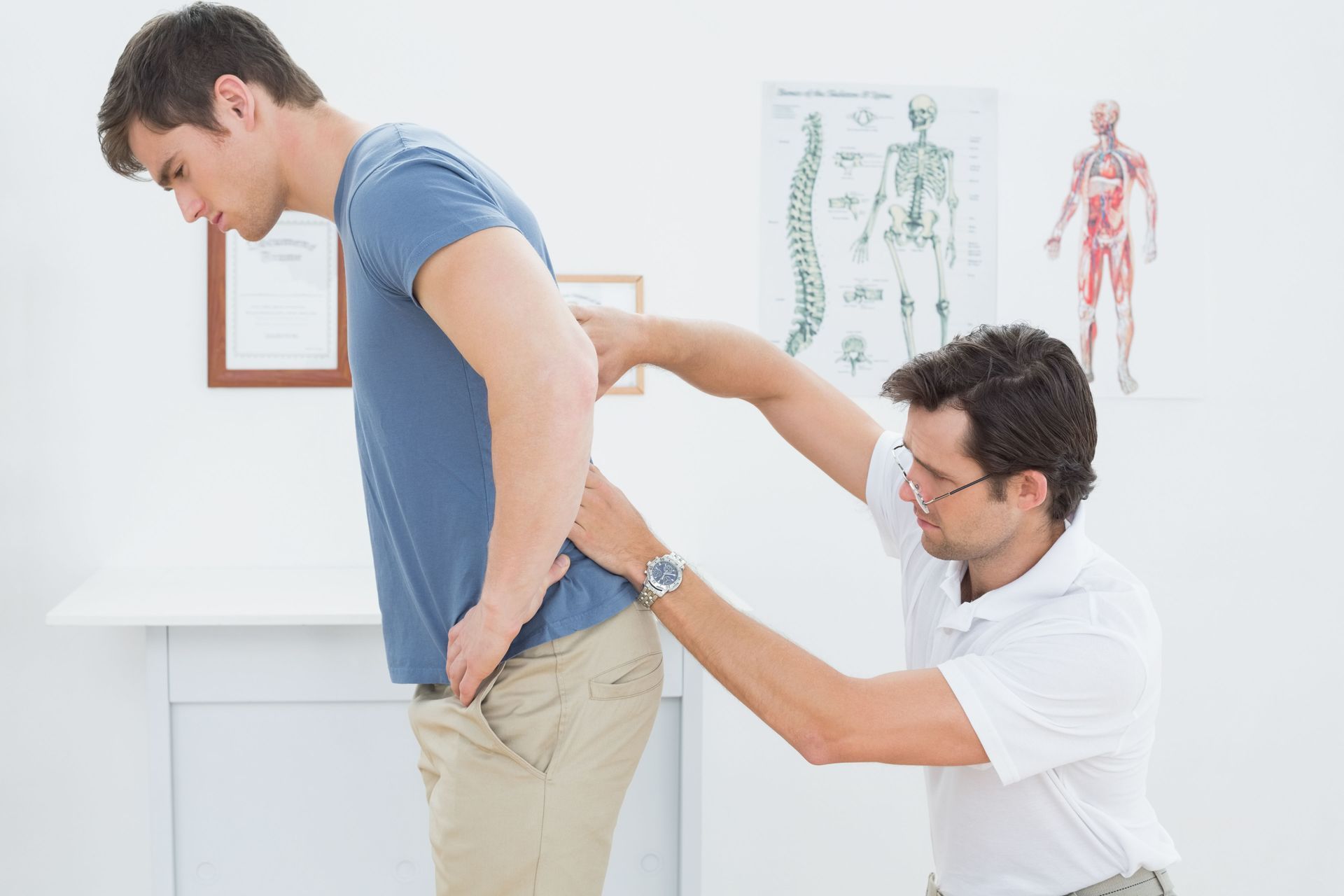
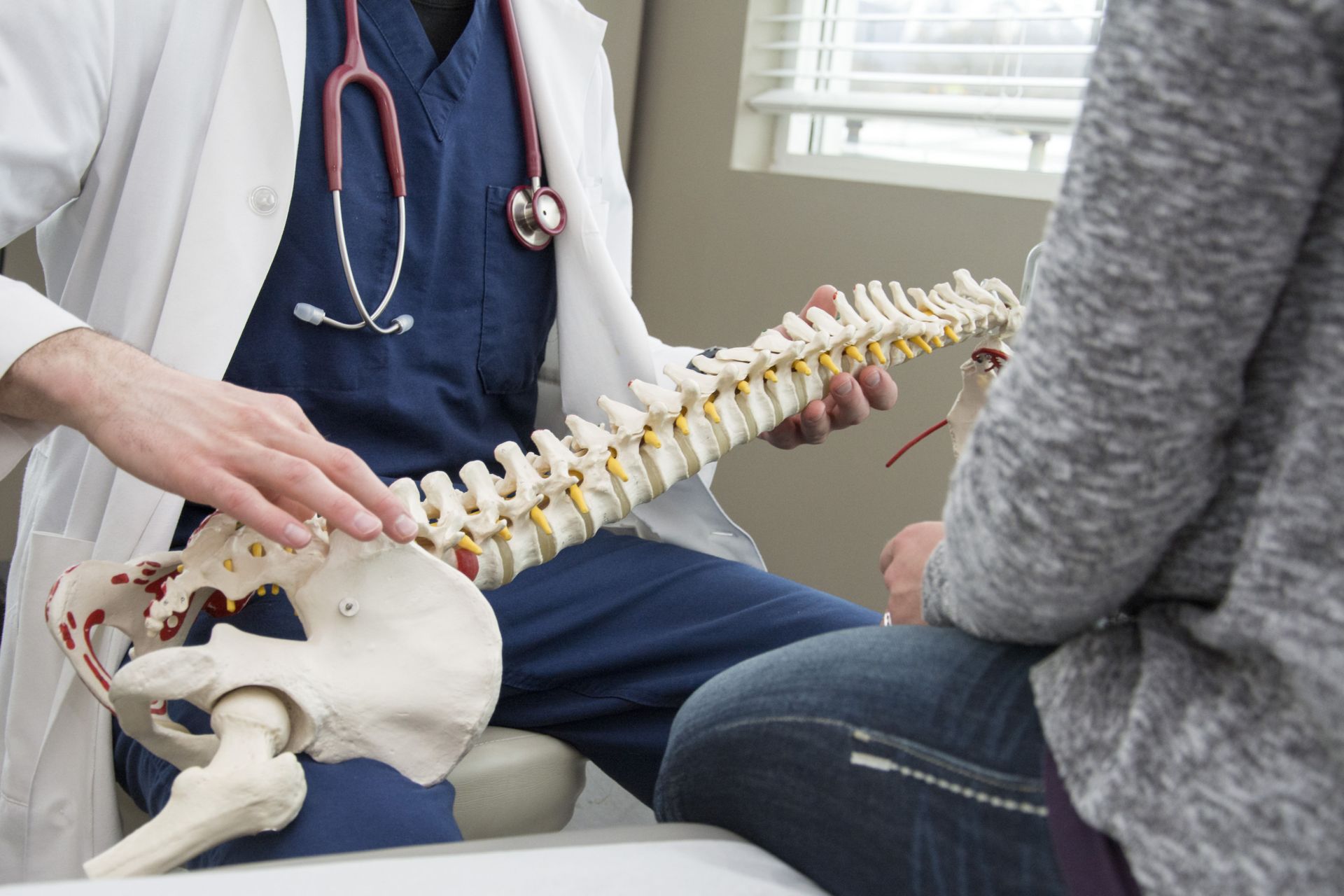
The spine is a complex structure that supports the body's entire framework and protects the vital spinal cord. Spine disorders, such as herniated discs, scoliosis, and spinal stenosis, can cause significant discomfort and neurological symptoms. Specialized orthopedic clinics specialize in diagnosing and treating these intricate conditions using a variety of surgical and non-surgical methods. Effective management of spine disorders requires a thorough understanding of each patient's unique anatomy and the nature of their spinal condition.
Surgical and Non-Surgical Interventions
Surgical interventions for spine disorders are generally considered when conservative treatments fail to provide relief or when neurological symptoms are present. Procedures such as discectomy, laminectomy, and spinal fusion aim to relieve pressure on the nerves and stabilize the spinal column. Technological advancements have led to the development of minimally invasive techniques that offer shorter recovery times and reduced pain. However, surgery is not always the first option, and non-surgical treatments are often effective for a large majority of patients.
Pediatric Orthopedics
Pediatric orthopedics is a specialized branch focusing on musculoskeletal issues in children and growing adolescents. Growth plate injuries, congenital bone disorders, and adolescent scoliosis are among the common conditions treated by pediatric specialists. Early detection and intervention are crucial in managing these conditions, as they can significantly impact a child's future growth and development. Specialized orthopedic clinics offer comprehensive and compassionate care, addressing the unique physiological needs of younger patients.
Common Pediatric Conditions
Growth plate injuries occur in children because their bones are still developing tissue at the ends of long bones. These injuries can result from trauma or repetitive stress and have the potential to impact the final length and shape of the bone. Timely diagnosis and appropriate treatment by a specialist are crucial to ensure normal development and prevent permanent deformity. Pediatric specialists work closely with families to provide personalized care plans that may include bracing or specialized surgery.
Soft Tissue Injuries and Long-term Care
Soft tissue injuries encompass damage to the muscles, tendons, and ligaments, often resulting from sudden trauma or chronic overuse. These injuries are incredibly common and can affect individuals of all ages, regardless of their activity levels. Tendon and ligament injuries, such as tendonitis and ACL tears, require appropriate medical attention to ensure the tissue heals with proper strength. Orthopedic clinics provide comprehensive care for these injuries, emphasizing the importance of structured rehabilitation and future injury prevention.
Identifying muscle strains and soft tissue damage involves a clinical assessment of the severity and precise location of the injury. Healthcare professionals perform physical examinations and may utilize diagnostic imaging to confirm the extent of the tear or inflammation. Treatment typically includes the R.I.C.E protocol—rest, ice, compression, and elevation—as initial measures to control swelling. Rehabilitation exercises are then introduced to restore the flexibility and function of the affected soft tissue structures.
As the healthcare landscape evolves and the population continues to age, the services provided by orthopedic clinics will remain essential. According to Hyde Park Capital, it is estimated that by 2050, a quarter of the U.S. population will be 65 or older, boosting demand for orthopedic care. These facilities ensure that patients can remain active and independent by addressing the fundamental components of human movement. Whether treating a young athlete or a senior with arthritis, the goal remains the same: to optimize musculoskeletal health through expert medical intervention. Investing in bone and joint health today ensures a more mobile and pain-free future for patients of all ages. For more information, contact South Bay Orthopedic.


Share On: