

Ergonomic Tips to Prevent Joint Pain at Work
In today's rapidly evolving workspace, the importance of ergonomics has come to the forefront, especially among office workers who are increasingly susceptible to joint pain. This pervasive issue affects productivity, health, and overall quality of life, necessitating effective ergonomic solutions. Creating a work environment that supports proper body mechanics is essential in preventing the onset of joint pain and associated conditions. While self-care and proper posture go a long way, consulting specialists at a professional orthopedic clinic can provide tailored guidance when chronic discomfort persists. By integrating ergonomics into the workplace, employees can achieve greater comfort, reduce the risk of injury, and enhance their overall work performance.
Understanding Ergonomics and Its Importance
Definition and History of Ergonomics
Ergonomics is the scientific discipline concerned with understanding the interactions between humans and other elements of a system, aiming to optimize human well-being and system performance. Its roots trace back to the late 19th century when engineers began to focus on improving efficiency and safety in work environments. Over the decades, the field of ergonomics has expanded to include the design of products and environments tailored to human needs, emphasizing comfort and functionality. By systematically analyzing human capabilities and limitations, ergonomics seeks to match the demands of work tasks to the physical and cognitive strengths of workers. This alignment helps to prevent injuries and enhance productivity in various occupational settings.
The Role of Ergonomics in Reducing Workplace Injuries
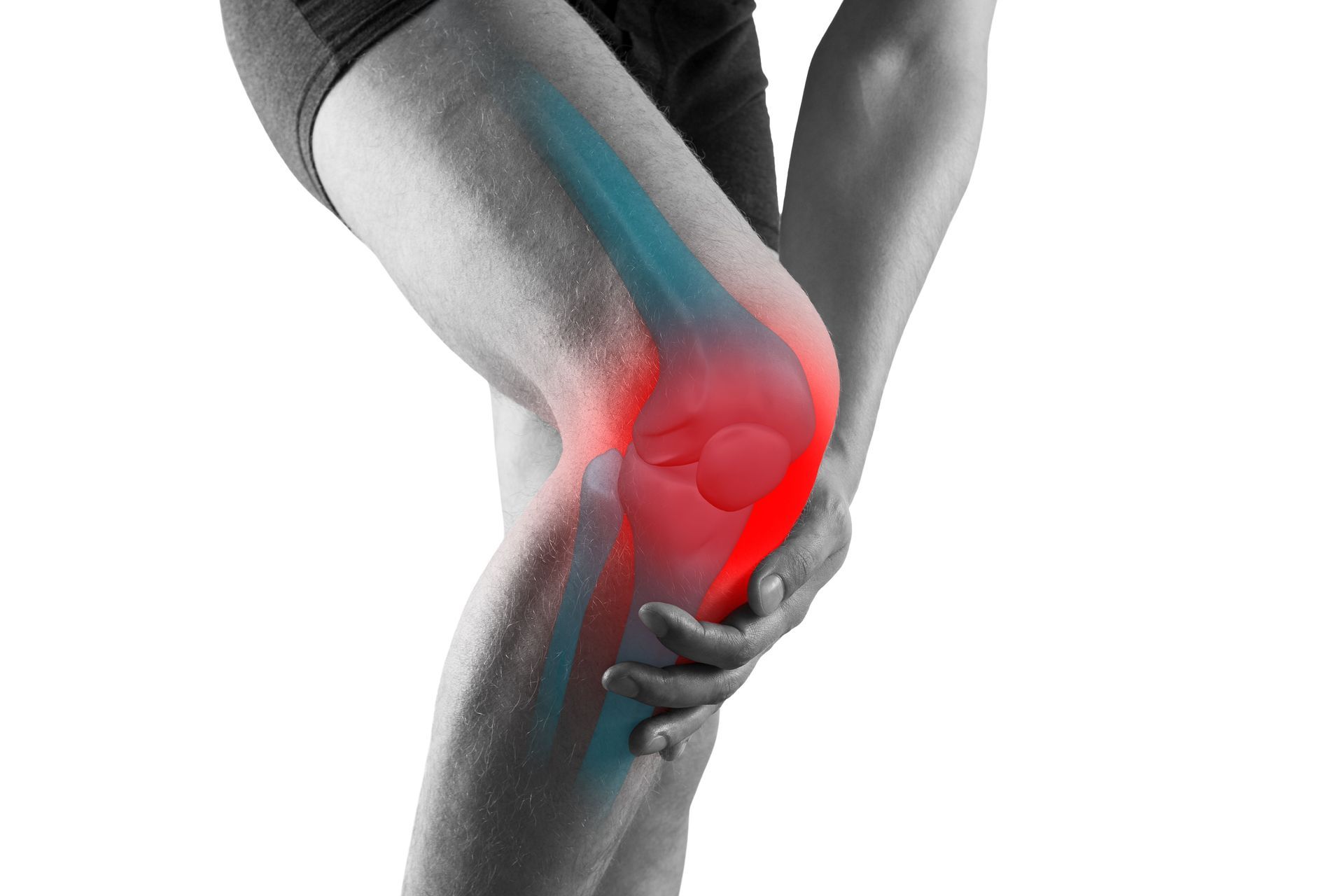
Ergonomics plays a critical role in reducing the risk of workplace injuries by addressing the physical demands that tasks impose on the human body. Poorly designed workstations and repetitive tasks can lead to musculoskeletal disorders, such as carpal tunnel syndrome, neck strain, and knee osteoarthritis. According to the American Academy of Orthopaedic Surgeons (AAOS), more than 32.5 million Americans are currently affected by symptomatic knee osteoarthritis, underscoring the importance of innovations in ergonomic interventions to reduce the burden on joints. When workplace modifications are insufficient, a specialized orthopedic clinic can diagnose underlying structural damage and recommend corrective therapies. Implementing ergonomic solutions decreases injury rates and improves overall comfort for employees.
Impact of Poor Ergonomics on Health and Productivity
Poor ergonomics can have debilitating effects on both individual health and overall workplace productivity. Employees experiencing chronic discomfort or joint stiffness often face decreased focus and efficiency in their tasks, leading to a noticeable decline in productivity. Chronic pain conditions linked to inadequate ergonomics, such as lower back pain and tension headaches, contribute to higher absentee rates and diminished job satisfaction. Furthermore, medical professionals at any reputable orthopedic clinic frequently warn that ignoring early ergonomic warning signs can lead to permanent joint degeneration. Addressing ergonomic issues proactively not only supports employee health but also fosters a more productive, motivated workforce.
Setup of an Ergonomic Workspace
Selection of the Right Office Chair
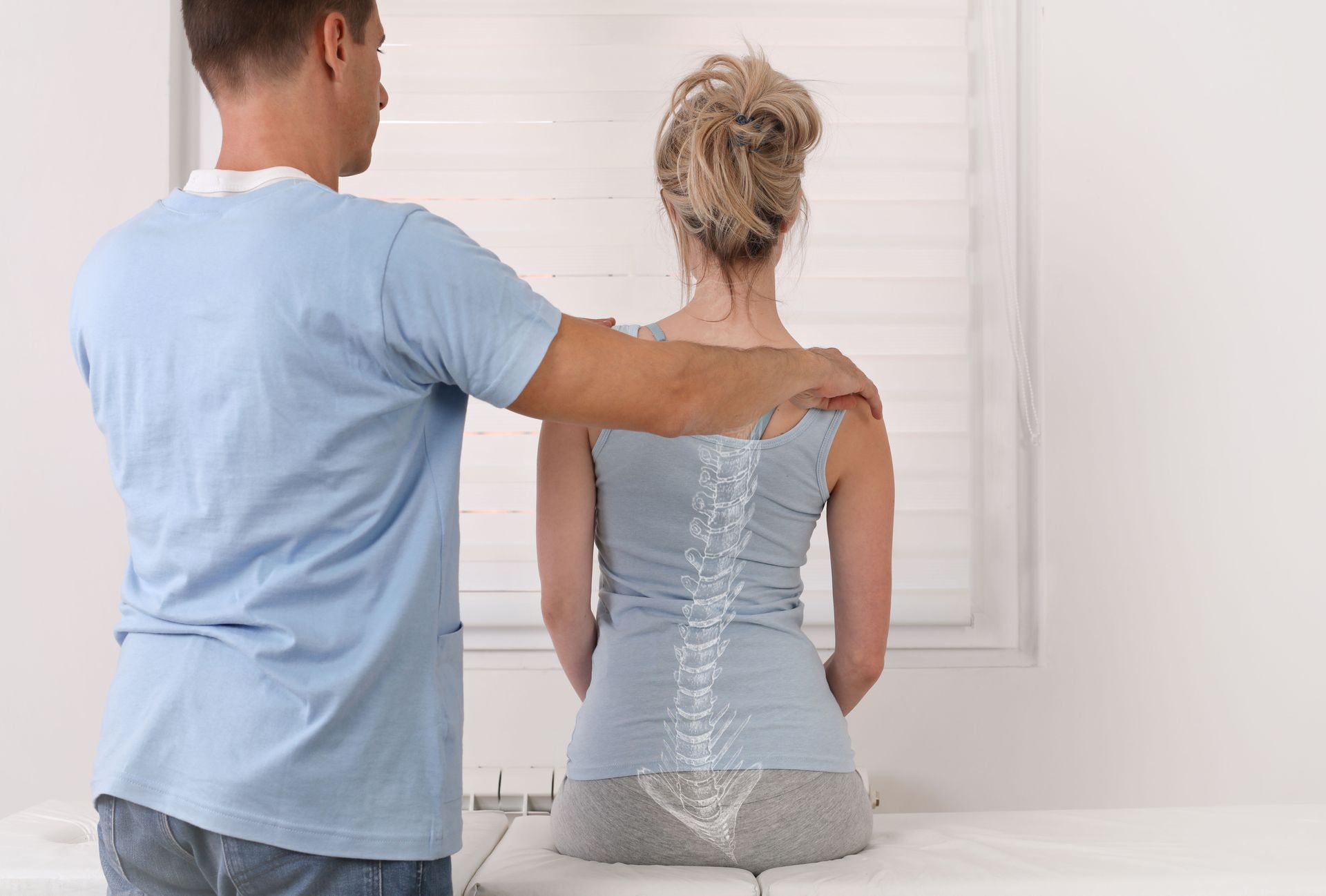
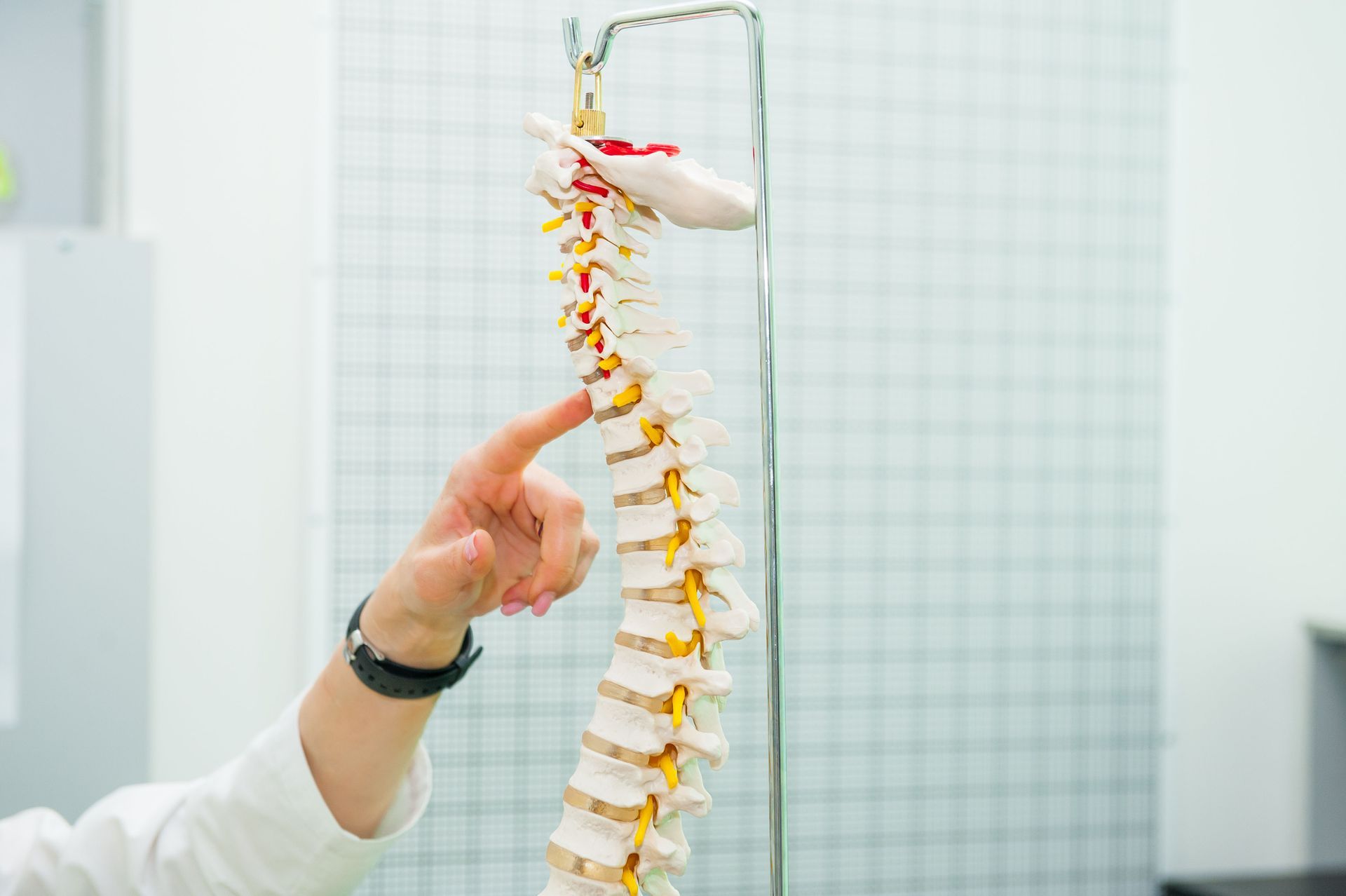
One of the most crucial elements of an ergonomic workspace is the office chair, as it plays a significant role in supporting spinal alignment and reducing joint stress. When selecting a chair, consider features such as adjustable seat height and depth, lumbar support, and dynamic armrests to accommodate a range of body types. A chair with a smooth swivel function allows ease of movement without straining the body, and materials that promote breathability enhance comfort over extended periods. Ensuring that feet remain flat on the floor with knees at a right angle minimizes pressure on the thighs and lower back. If persistent spinal discomfort occurs despite using a supportive chair, an evaluation at a regional orthopedic clinic can help identify specific postural corrections.
Optimal Desk Heights and Arrangements
Setting the appropriate desk height is critical to reducing strain on the wrists, elbows, and shoulders. Ideally, the desk should be at a height where the forearms are parallel to the ground or slightly inclined downward, keeping the elbows at a 90-degree angle. Adjustable sit-stand desks offer flexibility and allow employees to switch between sitting and standing positions, promoting circulation and reducing lower back discomfort. The arrangement of office supplies and frequently used items should minimize excessive reaching or twisting motions that can lead to joint fatigue and tendonitis. Maintaining a clutter-free workspace ensures that essential items are easily accessible and promotes a more focused work environment.
Keyboard and Mouse Placement Strategies
The placement and use of the keyboard and mouse are vital to maintaining neutral wrist posture and preventing conditions such as carpal tunnel syndrome. Keep the keyboard at a height where the wrists are not elevated, and avoid resting the palms forcefully on the desk for prolonged periods. A padded wrist rest can provide additional support, reducing direct pressure on the median nerve. Position the mouse close to the keyboard, using the arm instead of the wrist to move it, which helps in minimizing lateral wrist deviation. For severe wrist pain that limits computer use, care teams at a dedicated orthopedic clinic can offer non-invasive splinting or targeted therapy options to restore functional movement.
Exercises and Stretching Techniques
Benefits of Regular Stretching at Work
Incorporating regular stretching into the workday offers numerous benefits, including increased flexibility, improved circulation, and reduced muscle tension. Stretching helps alleviate muscular imbalances caused by prolonged sitting and repetitive movements, common contributors to joint stiffness. Brief, frequent stretching sessions can enhance focus and energy levels, combating the physical fatigue associated with sedentary work. Encouraging employees to take short stretch breaks can also foster a culture of health and wellness within the workplace. By reducing joint stiffness and increasing blood flow, stretching plays a vital role in preventing work-related musculoskeletal disorders.
Simple Desk Exercises for Joint Relief
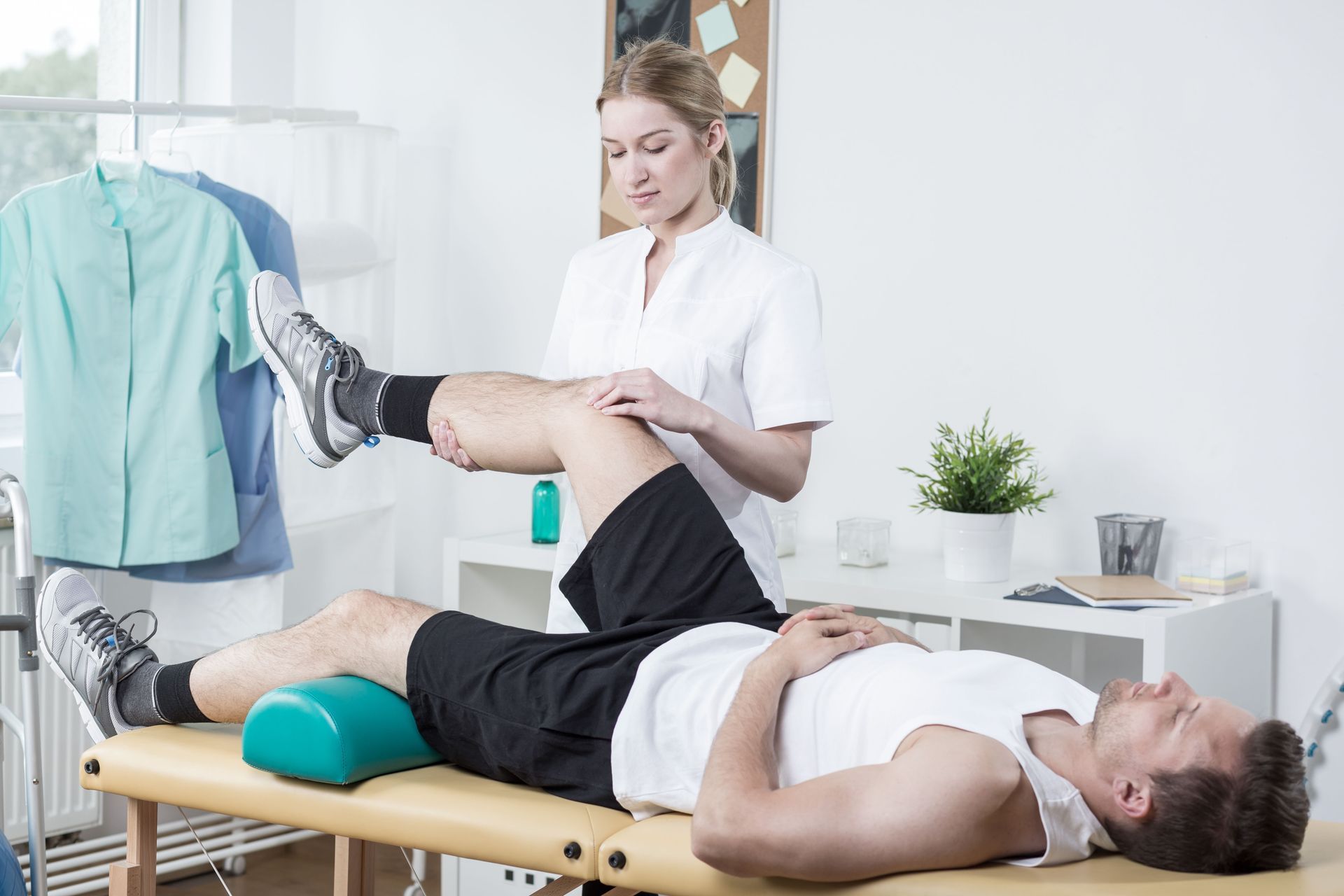
Desk exercises are a practical solution for reducing joint pain and enhancing physical well-being during work hours. Incorporate movements such as seated leg lifts to engage the lower body and improve knee joint circulation. Wrist circles and gentle finger stretches can counteract the effects of typing and mouse use, reducing the risk of repetitive strain injuries. Shoulder rolls and neck tilts help release tension in the upper body, promoting relaxation and posture correction. For workers managing pre-existing joint conditions, physical therapists at a local orthopedic clinic can design custom exercise routines that safely target specific problem areas.
Upper Body Stretches for Neck and Shoulder Relaxation
Upper body stretches are essential for maintaining a relaxed and tension-free neck and shoulder area. Perform shoulder shrugs by lifting the shoulders toward the ears and releasing them downward to alleviate accumulated stress. A thoracic extension stretch involves clasping the hands behind the back and gently lifting the arms, promoting chest expansion and counteracting forward shoulder rounding. Neck rotations and gentle side bends increase flexibility and help in releasing tightness commonly associated with prolonged computer work. If upper body tightness escalates into radiating pain or numbness, seeking prompt care from an accredited orthopedic clinic is strongly advised.
Establishing an ergonomic work environment is one of the most effective ways to prevent chronic joint pain and safeguard your physical health during long workday hours. By investing in adjustable furniture, optimizing the placement of desktop equipment, and practicing regular stretching exercises, office workers can minimize joint stress and improve daily comfort. However, when joint stiffness or repetitive strain injuries persist despite proper ergonomic adjustments, expert intervention from a comprehensive orthopedic clinic ensures that underlying joint issues are accurately diagnosed and treated. Prioritizing both proactive workplace ergonomics and professional medical guidance enables individuals to maintain long-term mobility, productivity, and an exceptional quality of life.
Take control of your joint health and overcome work-related pain by contacting South Bay Orthopedic today to schedule your comprehensive specialist consultation!




Share On: