

Safe Exercises to Protect Your Knees While Working Out
Understanding the importance of knee safety during workouts and integrating protective exercises into your fitness routine is essential for maintaining long-term joint health. Knees bear most of the body's weight and handle major impact forces during exercise. Integrating routines that build strength while minimizing stress significantly reduces injury risks, ensuring your fitness journey remains effective and sustainable. Consulting an orthopedic surgeon provides personalized guidance on protecting joints during physical activity.
Understand Knee Anatomy With Common Injury Types
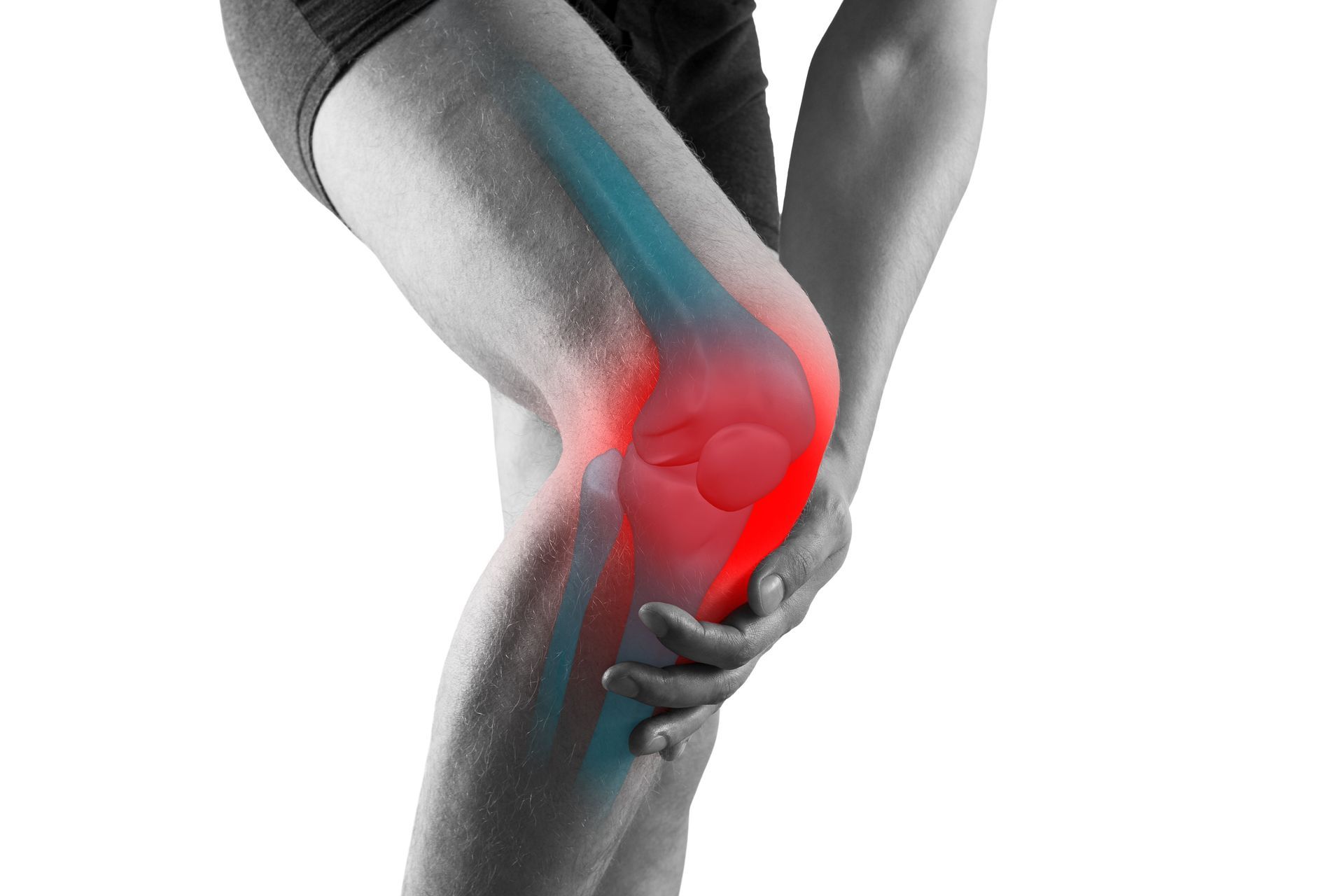
The knee joint is one of the largest and most complex joints in the body, composed of bones, cartilage, muscles, ligaments, and tendons. The primary bones—the femur, tibia, and patella play crucial roles in mobility, while cartilage cushions shock. Understanding this structure helps individuals recognize how to properly protect and strengthen their knees during exercise.
Analyze Ligaments With Supporting Tendons
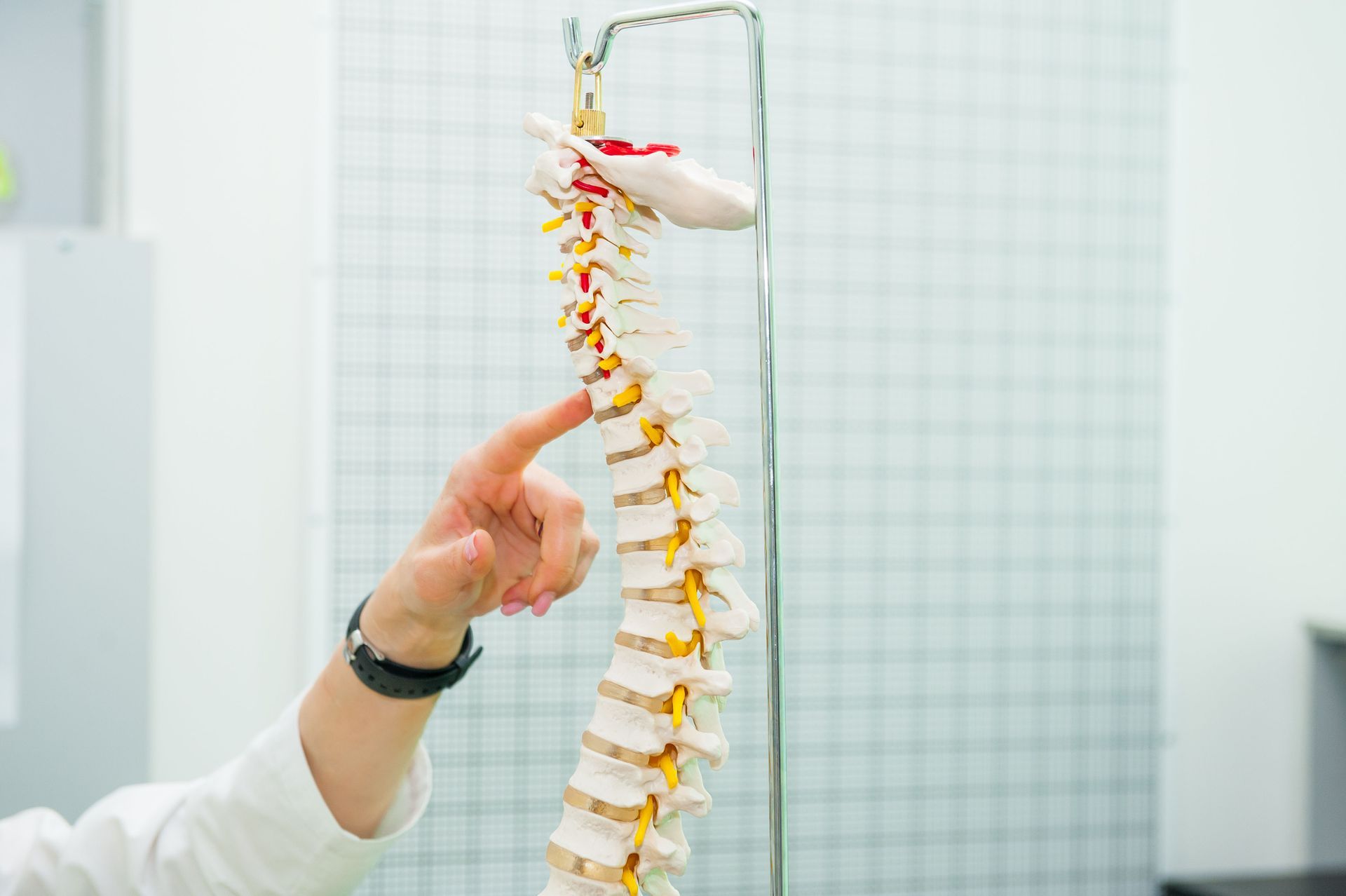
Four primary ligaments stabilize the knee: the ACL, PCL, MCL, and LCL. These structures hold bones in place, while tendons anchor muscles directly to bone to facilitate movement. When weakened or injured, mobility decreases, and injury risk rises. Maintaining these components through targeted movement supports overall stability, and an experienced orthopedic surgeon can assess structural integrity when concerns arise.
Identify Common Knee Injuries With Preventive Steps
Knee injuries, such as meniscal tears and ligament sprains, are common among both athletes and casual exercisers. Sudden twisting or high impacts can tear cartilage, while sports requiring rapid direction changes frequently stress the ACL. Chronic joint degeneration like osteoarthritis can also worsen over time. Recognizing these risks allows individuals to adjust workout choices proactively.
Evaluate Risk Factors With Workout Modifications
Age, activity levels, and body mechanics all influence joint vulnerability. Individuals over 40 face heightened susceptibility due to natural wear and tear, while improper training techniques exacerbate strain. Identifying personal risk factors allows for deliberate exercise modifications that minimize stress on fragile joint structures.
Recognize Pain Signals With Timely Medical Care
Persistent or severe knee pain serves as a signal that should never be ignored. Symptoms like swelling, locking, or an inability to straighten the joint warrant direct evaluation by an orthopedic surgeon. Seeking early medical care prevents minor issues from escalating into long-term joint problems.
Incorporate Dynamic Stretching With Proper Preparation
Dynamic stretching before workouts warms up muscles and increases blood flow to the knees. Performing functional movements like leg swings, lunges, and gentle knee circles activates surrounding muscles without placing unnecessary stress on the joint, drastically reducing injury likelihood during workouts.
Perform Knee-Friendly Warm-Ups With Targeted Moves
Targeted warm-up exercises like calf raises, butt kicks, and knee raises increase joint lubrication and muscle elasticity. Engaging in controlled squats or gentle leg extensions primes the lower body, ensuring safer execution during higher-intensity exercises.
Experience Recovery Benefits With Cool-Down Routines
Cooling down after physical activity brings heart rates down gradually and prevents muscle stiffness. Static stretches, such as hamstring and calf holds, promote recovery, alleviate soreness, and preserve mobility over time.
Enhance Muscle Flexibility With Daily Stretching
Regularly stretching the quadriceps, hamstrings, and calves keeps surrounding muscles resilient and elastic. Enhanced flexibility allows knees to move smoothly under physical strain, improving range of motion and accelerating recovery post-workout.
Reduce Muscle Tension With Foam Rolling
Self-myofascial release using a foam roller breaks up tight tissue along the quadriceps and IT band. Applying controlled pressure enhances circulation, alleviates tightness, and reduces stress on knee joints.
Choose Low-Impact Workouts With Joint Protection
Low-impact exercises provide cardiovascular and strength benefits while minimizing stress on vulnerable joints. They are ideal options for individuals recovering from injury or managing chronic joint discomfort.
Protect Knees With Aquatic Exercises
Swimming offers a near zero-impact environment where water buoyancy supports body weight. It strengthens surrounding lower body muscles and improves joint flexibility without subjecting knees to harsh impact forces.
Build Lower Body Strength With Cycling
Cycling strengthens the quadriceps, hamstrings, and calves through smooth, repetitive motion. Adjusting seat height and resistance properly ensures excellent muscular development while safeguarding joint structures.
Maintain Cardio Fitness With Elliptical Training
Elliptical machines deliver effective cardiovascular workouts while eliminating the heavy foot-strike impact associated with running. The controlled gliding motion engages lower body muscles safely across various intensity levels.
Preserve Joint Safety With Proper Walking Form
Walking with upright posture, supportive footwear, and proper foot placement protects knees from unnecessary strain. Maintaining a steady pace on even surfaces prevents overextension while supporting heart and joint health.
Strengthen Quadriceps Muscles With Targeted Exercises
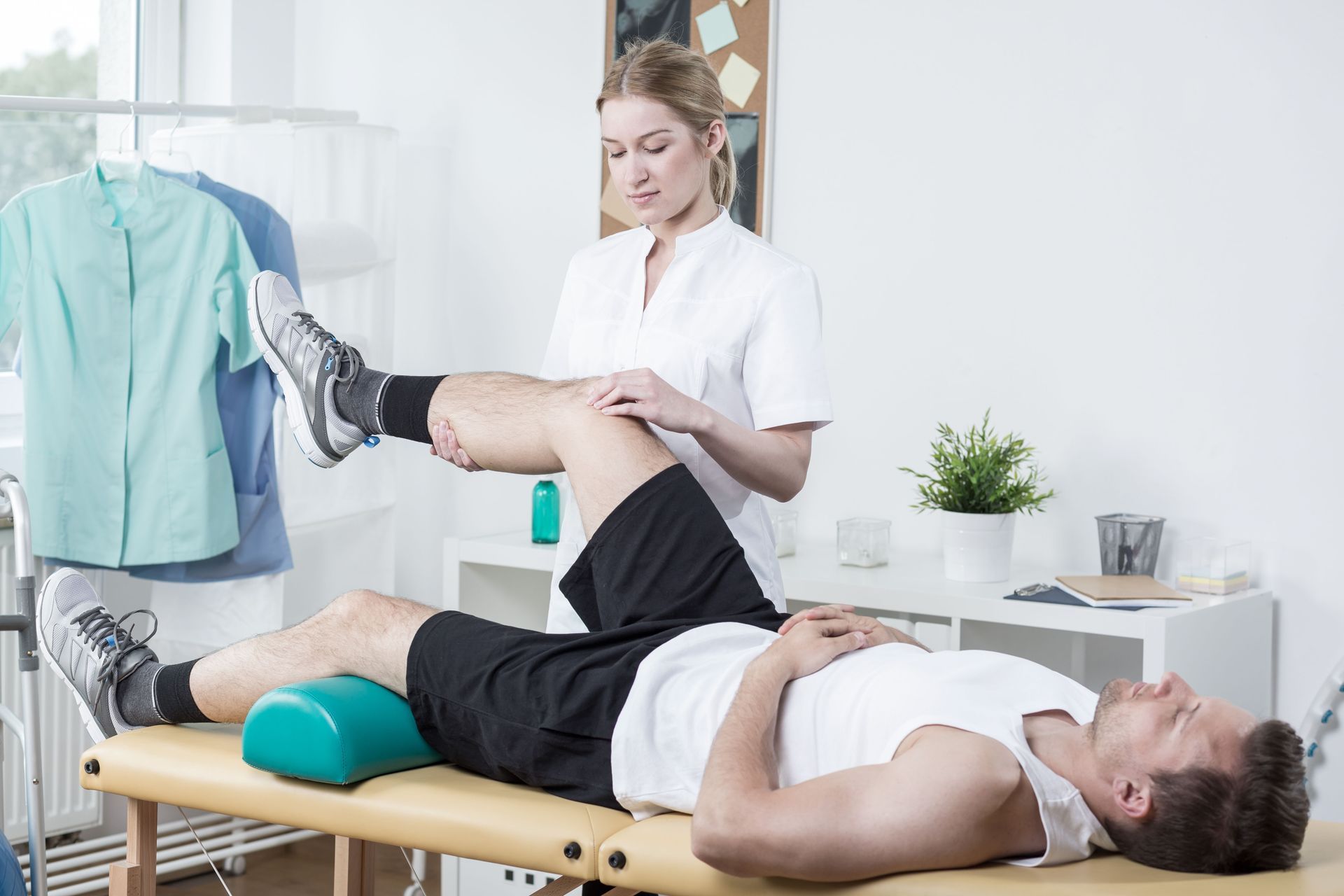
Strong quadriceps cushion impact and stabilize the knee joint during motion. Seated leg raises and controlled squats build strength safely, and an orthopedic surgeon can advise on appropriate resistance levels.
Balance Hamstrings With Stabilizing Movements
Weak or inflexible hamstrings create imbalance around the knee joint. Incorporating deadlifts and hamstring curls strengthens these key opposing muscles, promoting balance and stability across movements.
Support Leg Alignment With Calf Exercises
Calf muscles aid in shock absorption and proper lower leg alignment. Calf raises build endurance, while regular stretching prevents joint tightness during dynamic activities.
Improve Knee Alignment With Gluteal Workouts
Strong gluteal muscles prevent inward knee collapse during movement. Exercises like lateral band walks and clamshells stabilize the pelvis, ensuring proper leg tracking and reduced joint strain.
Strengthen Core Muscles With Stability Training
A solid core enhances posture and balance across all physical activities. Exercises like planks and leg raises allow efficient power transfer through the body, taking compensatory strain off the lower limbs.
Maintain Body Alignment With Proper Form
Keeping the knees aligned with the toes during squats or lunges prevents abnormal torque on joint cartilage. Focusing on proper technique builds safer habit patterns during exercise routines.
Protect Joint Ligaments With Controlled Range
Avoiding full knee locking or excessive hyperextension prevents ligament strain. Performing exercises through a controlled range of motion ensures joint integrity remains uncompromised.
Maximize Fitness Safety With Controlled Execution
Slow, deliberate movements focus effort on muscle engagement rather than momentum. Utilizing lighter weights with deliberate tempos reinforces stability and reduces unnecessary joint stress.
Prevent Joint Misalignment With Supportive Footwear
Activity-specific athletic shoes offer crucial cushioning and support. Replacing worn footwear regularly prevents foot misalignment and ensures proper shock absorption during exercise.
Avoid Overuse Injuries With Mindful Fitness
Listening to pain signals and allowing adequate recovery prevents minor fatigue from turning into severe injuries. Incorporating rest days maintains sustainable long-term physical progress.
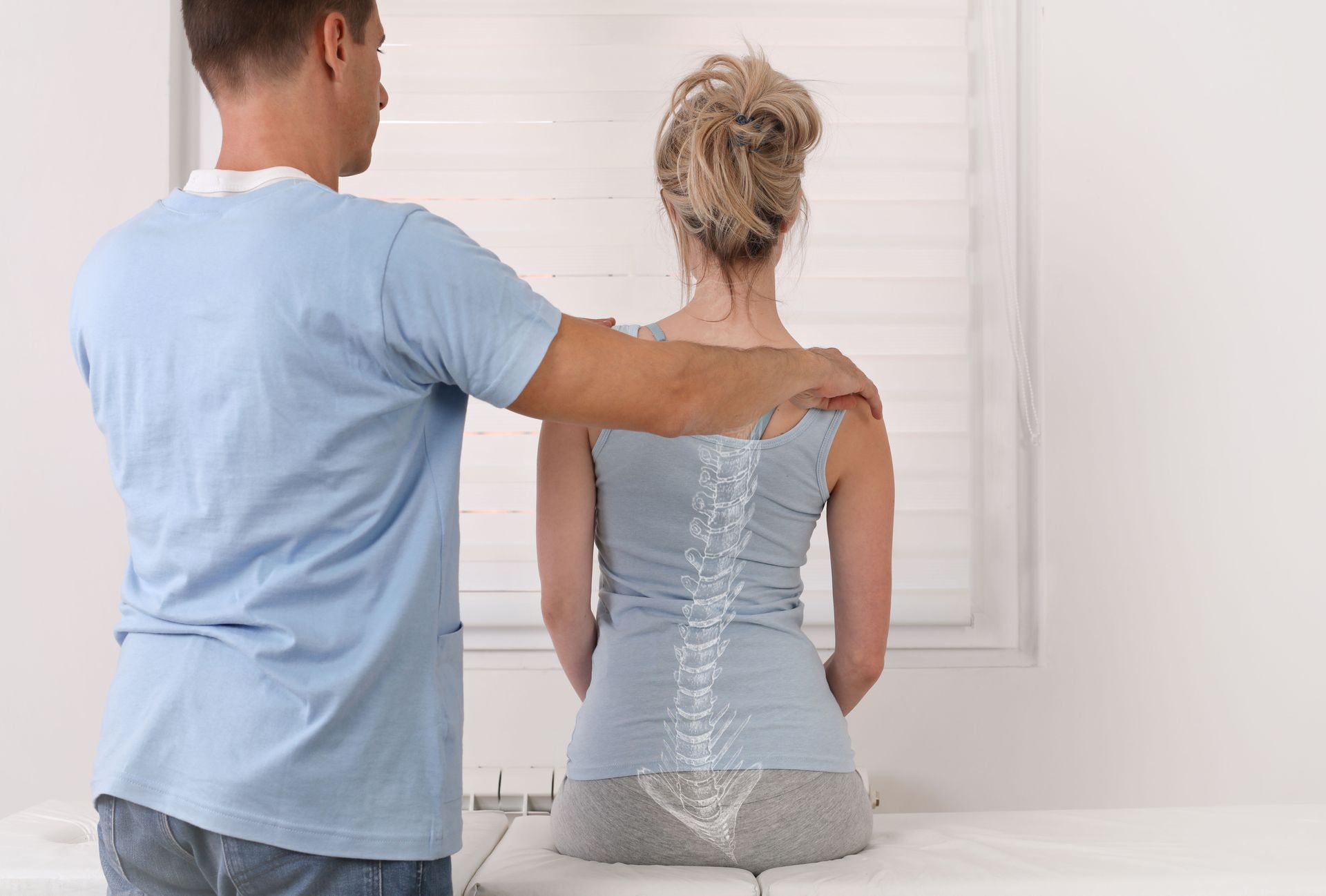
Consult Medical Experts With Professional Guidance
For chronic issues, consulting healthcare experts like an orthopedic surgeon ensures safe program modifications. According to Healio, orthopedic-related sports injuries in patients aged 65 and older are expected to increase by 123% between 2021 and 2040. Proper professional guidance helps prevent long-term damage as physical activity continues.
Tailor Fitness Routines With Knee Modifications
Customizing workouts to personal limits ensures activities build strength without aggravating existing conditions. Swapping high-impact moves for non-weight-bearing alternatives protects vulnerable joints.
Stabilize Knee Joints With Assistive Gear
Supportive braces or sleeves provide stability and compression to lower joint discomfort. Utilizing appropriate gear under professional supervision helps individuals remain active safely.
Track Workout Progress With Intensity Adjustments
Monitoring pain levels and strength gains helps dictate necessary intensity changes. Reassessing progress with an orthopedic surgeon ensures exercises remain both effective and safe.
Promote Joint Recovery With Adequate Rest
Rest allows inflammation to settle and muscle tissue to repair properly. Incorporating active recovery and gentle stretching maintains mobility while supporting total joint health.
Maintain Healthy Joints With Specialized Care
Emphasizing knee-safe practices allows you to maintain an active, fulfilling lifestyle while protecting your long-term mobility. When persistent joint pain or injury limits your performance, receiving specialized medical care ensures a quick and full recovery.
At South Bay Orthopedic, we offer comprehensive care including hip surgery, shoulder surgery, knee surgery, joint replacement, sports injuries, carpal tunnel and Achilles tendon repair, fractures, X-rays, minimally invasive surgical procedures, and arthroscopy. Our dedicated orthopedic surgeon team is here to help restore your mobility and keep your joints strong. Reach out to us at South Bay Orthopedic today to schedule your consultation and take charge of your joint health.




Share On: